How Are Clothes Made? The Journey of Your Pants
Have you ever wondered how a pair of pants is made?
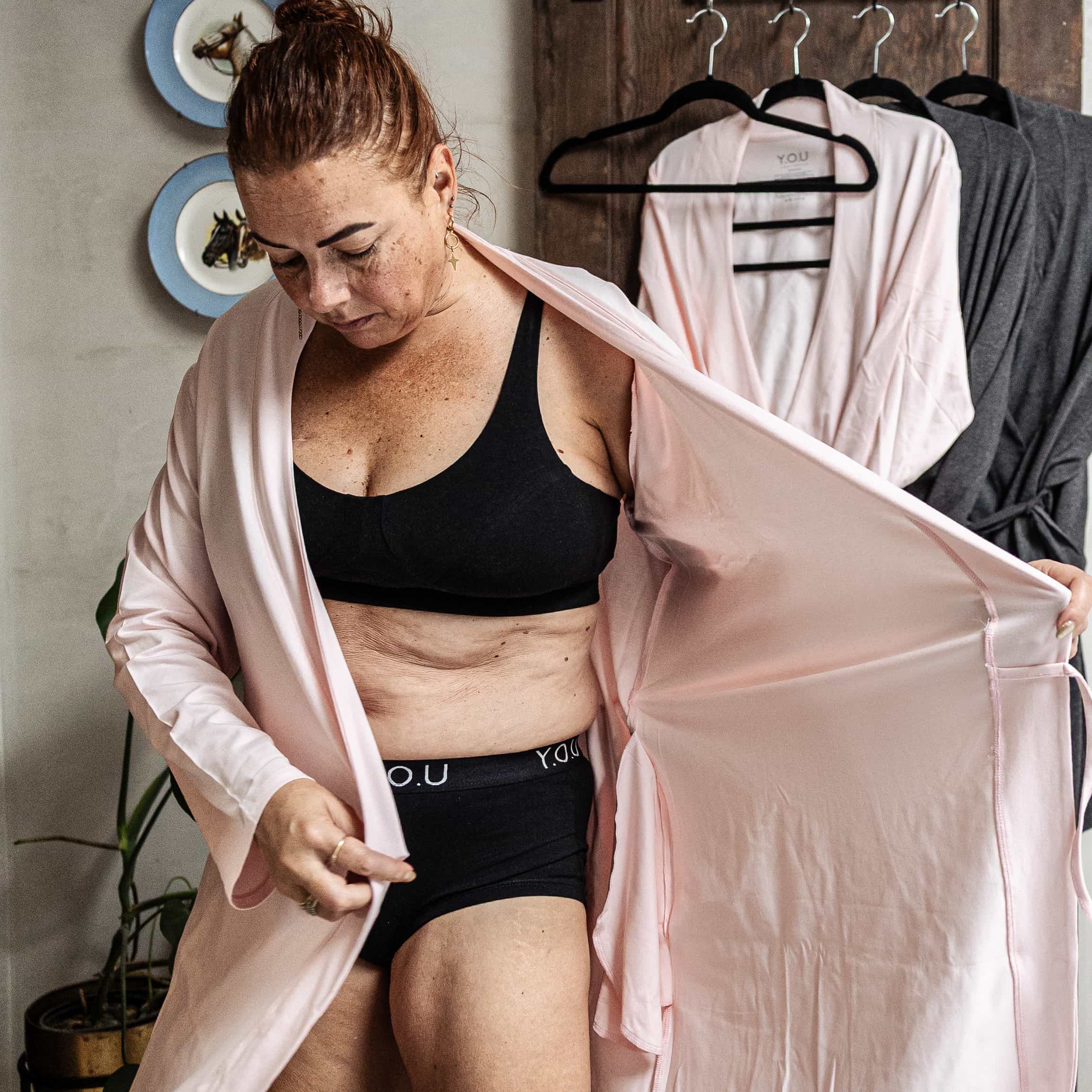
Most of us get up in the morning and throw on our clothes without a second thought, especially when it comes to something as everyday as underwear. But by the time your organic cotton underwear reaches your top drawer, it has already travelled a long way and passed through many hands.
Understanding more about the process that produces the clothes we wear is a key step in moving towards a more equitable world and breaking up with fast fashion.
We’re taking you through a step by step of how clothes are made - from field to factory to wardrobe and taking a peep behind the scenes of the global fashion industry.
How does cotton become clothes?
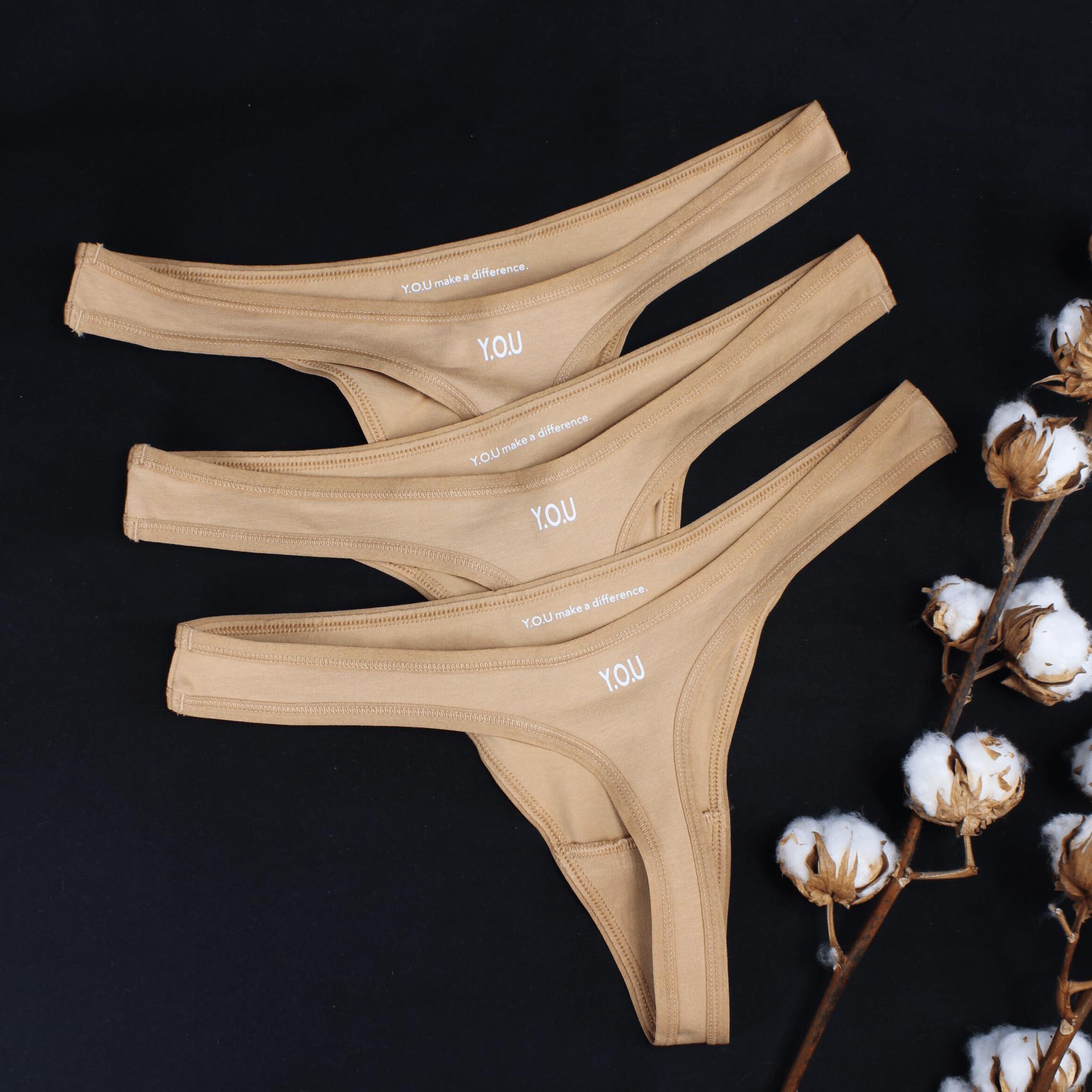
All Y.O.U Underwear starts with cotton. The woody gossypium plants produce fluffy cotton bolls which are harvested once a year.
Using organic farming methods, small scale farmers in India’s central and southern regions cultivate this ancient fibre as part of the Chetna organic farming co-operative.
How is fabric created?
The raw cotton is then cleaned, carded and spun into yarn - producing a strong and smooth fibre.


How is fabric dyed?


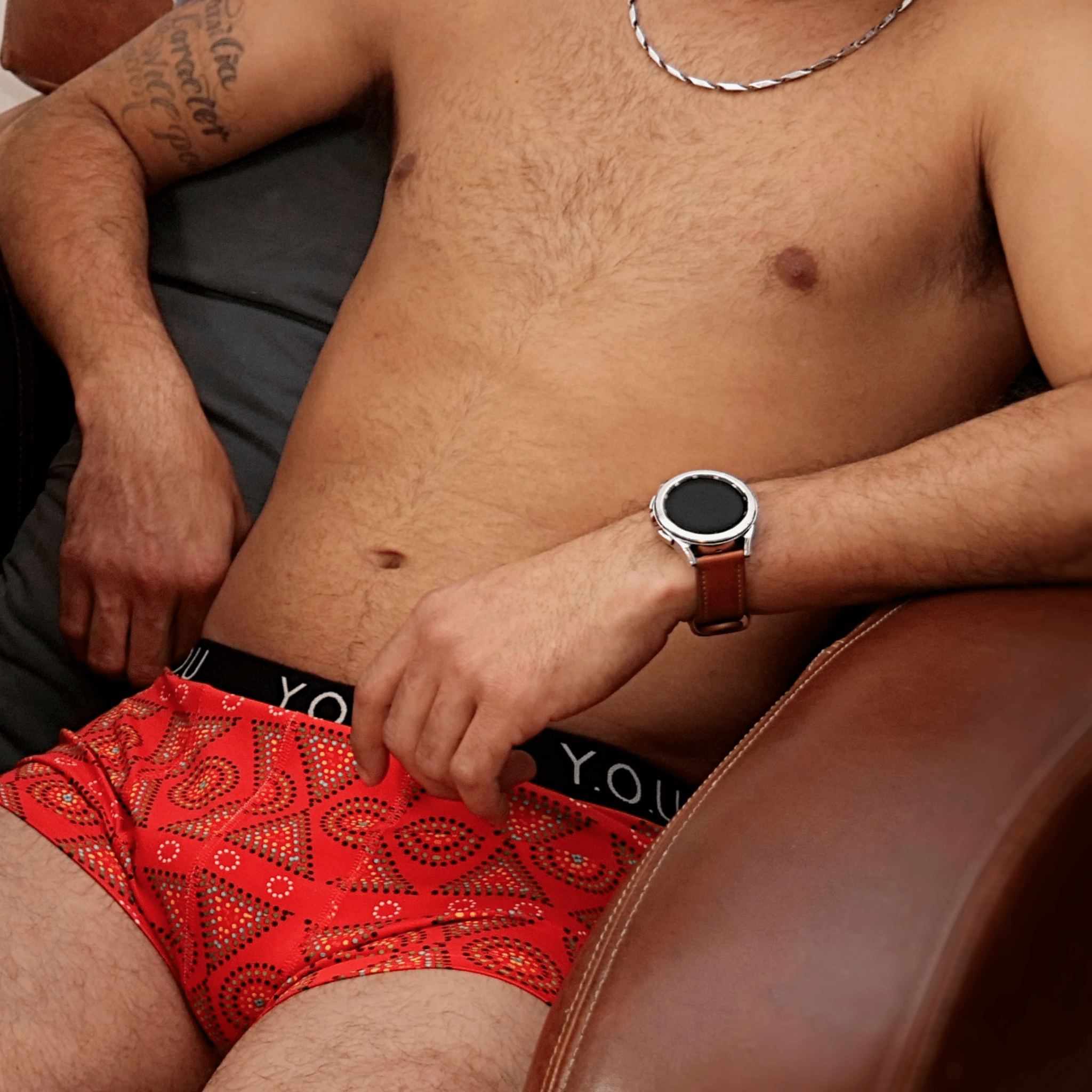
Next, the rolls of fabric are dyed in wide vats using low-impact dyes. Printed textiles are created using large rollers passed over the swathes of fabric. This is an intricate process called rotary printing where the separate elements of the print on the various rollers must be carefully lined up in order to achieve the desired outcome. Our Mara print collection is a more challenging one due to the small dots design!

How are garments made in a factory?
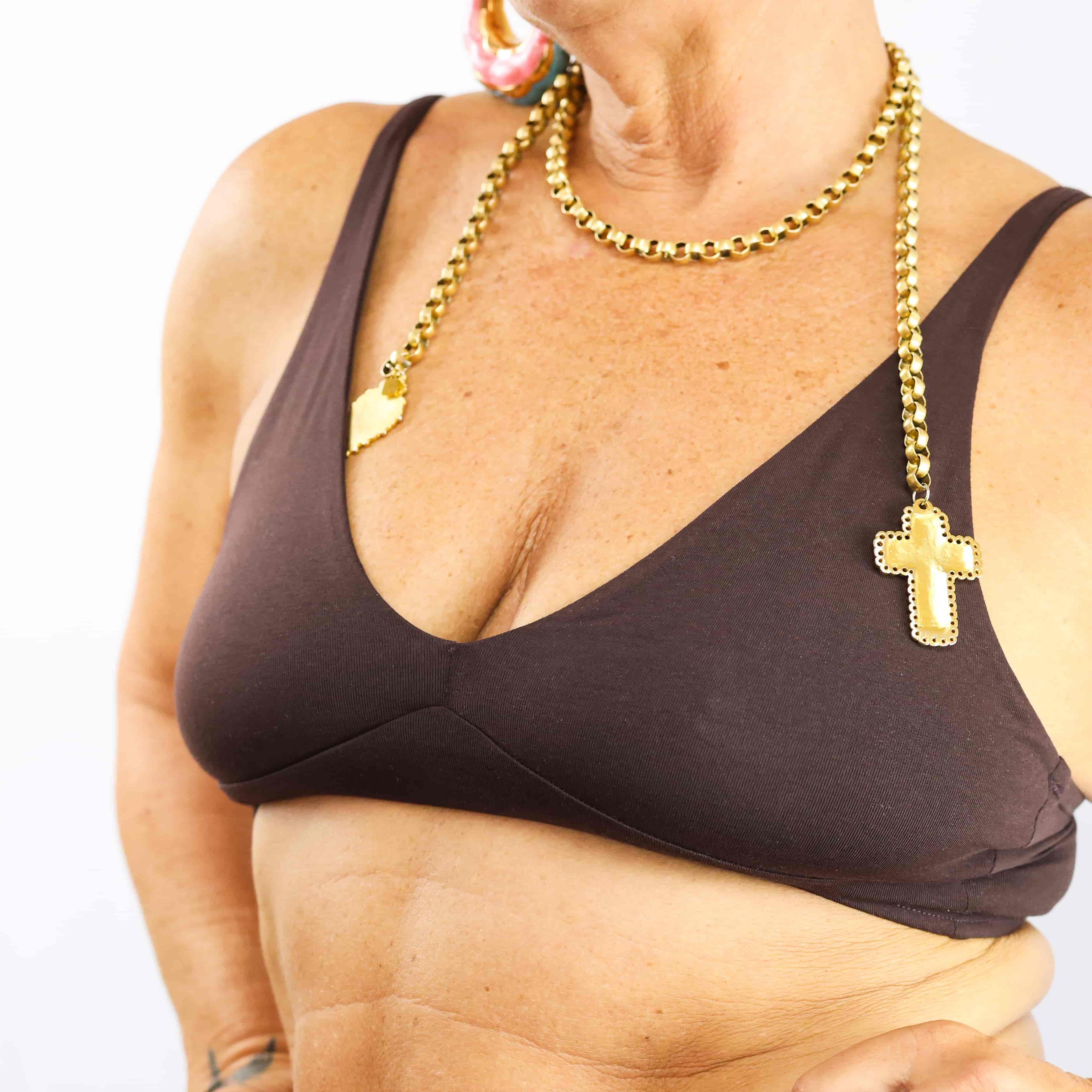
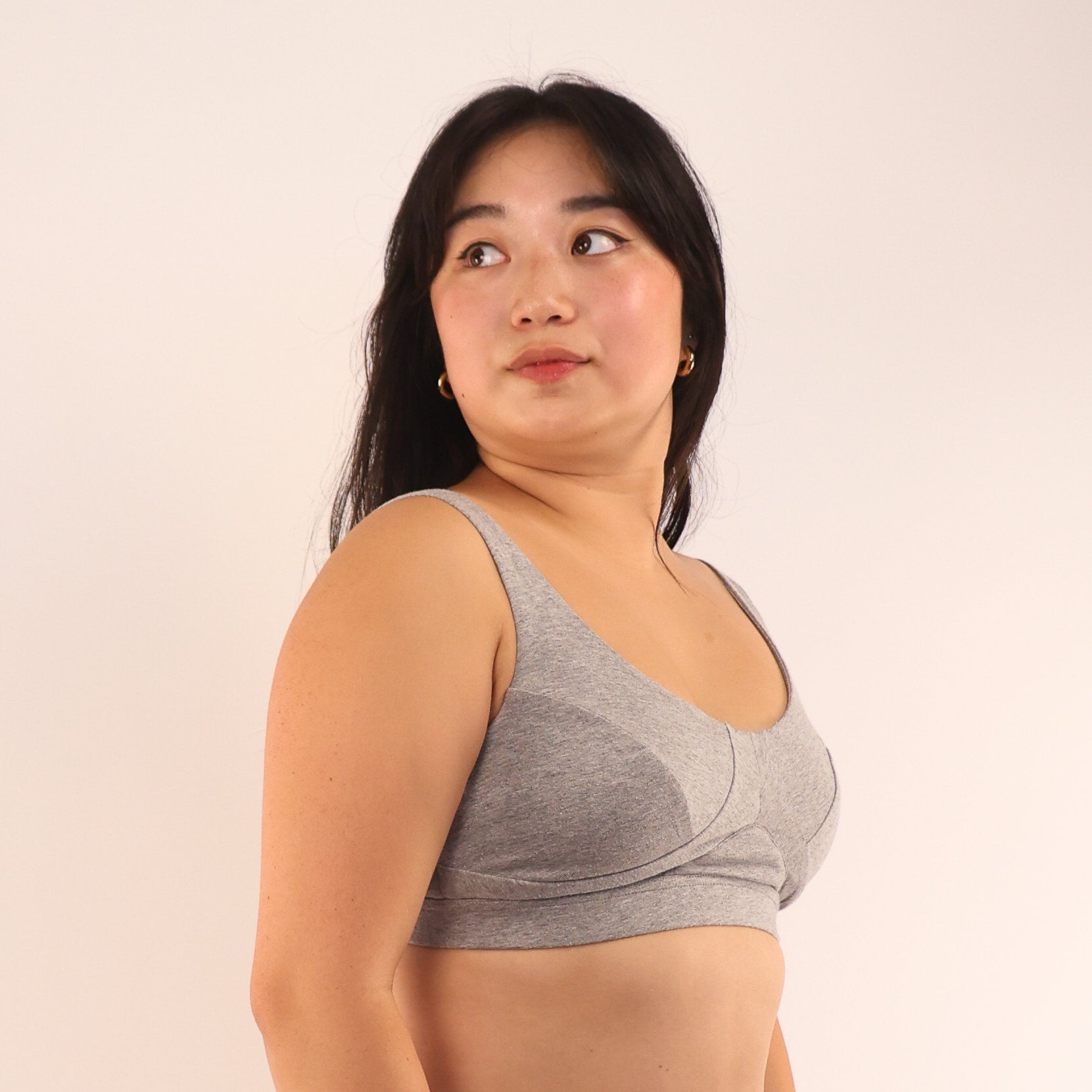
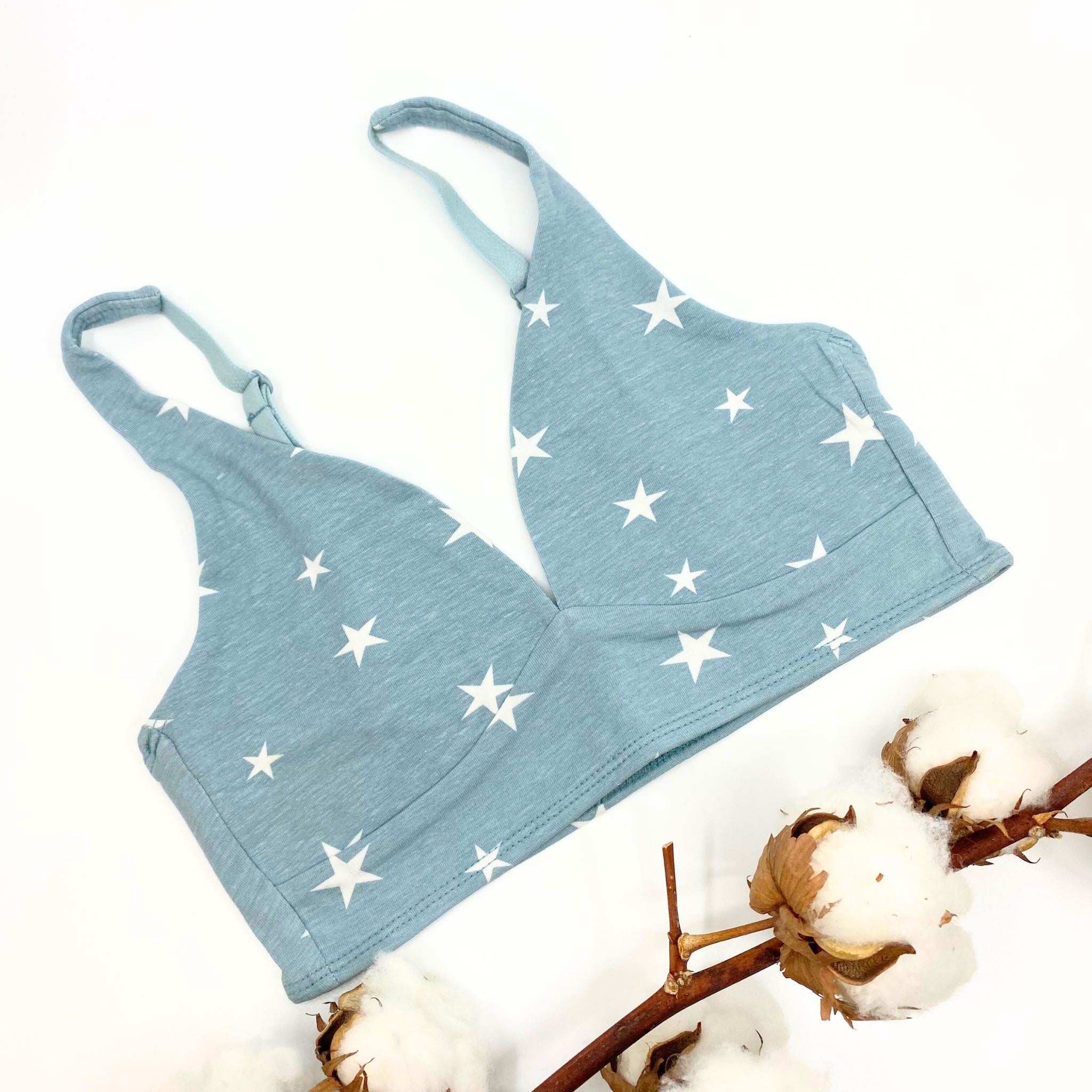
After this, the fabric is laid out in multiple layers and fed through a cutting machine using the Y.O.U Underwear patterns. A computer programme is used to organise the pieces in the most efficient way to avoid excess waste. Here you can see the different sections being cut out for our women’s bralettes.

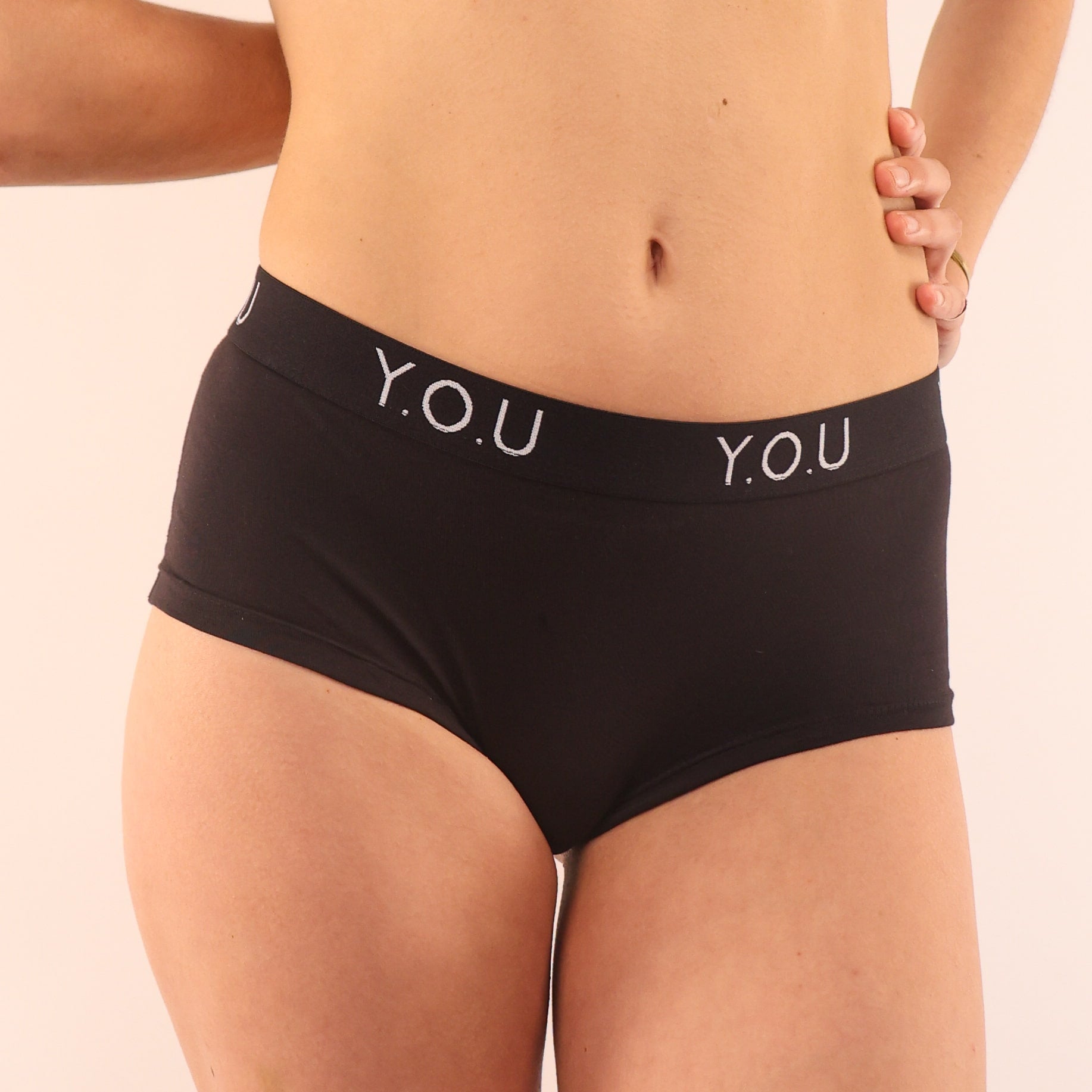
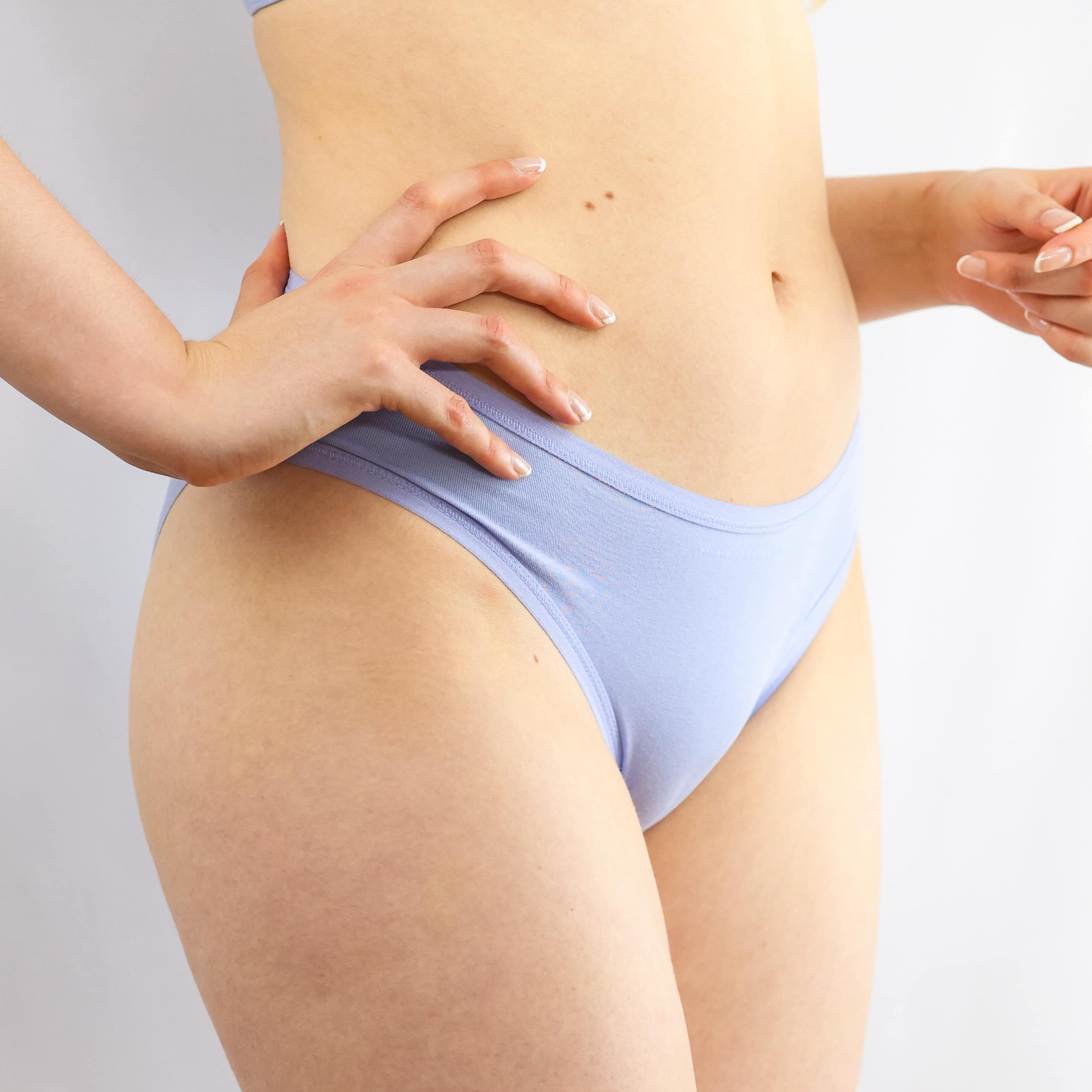
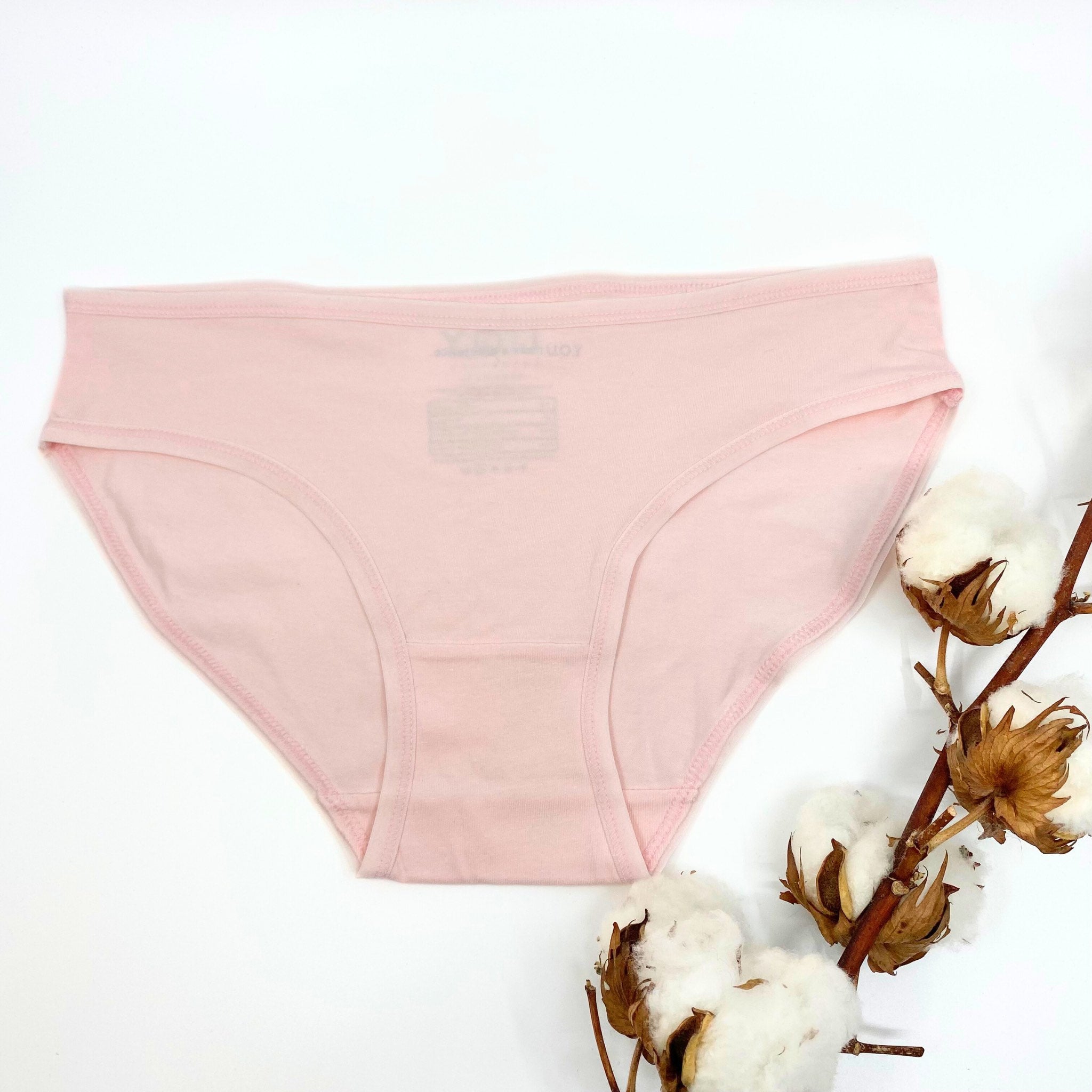
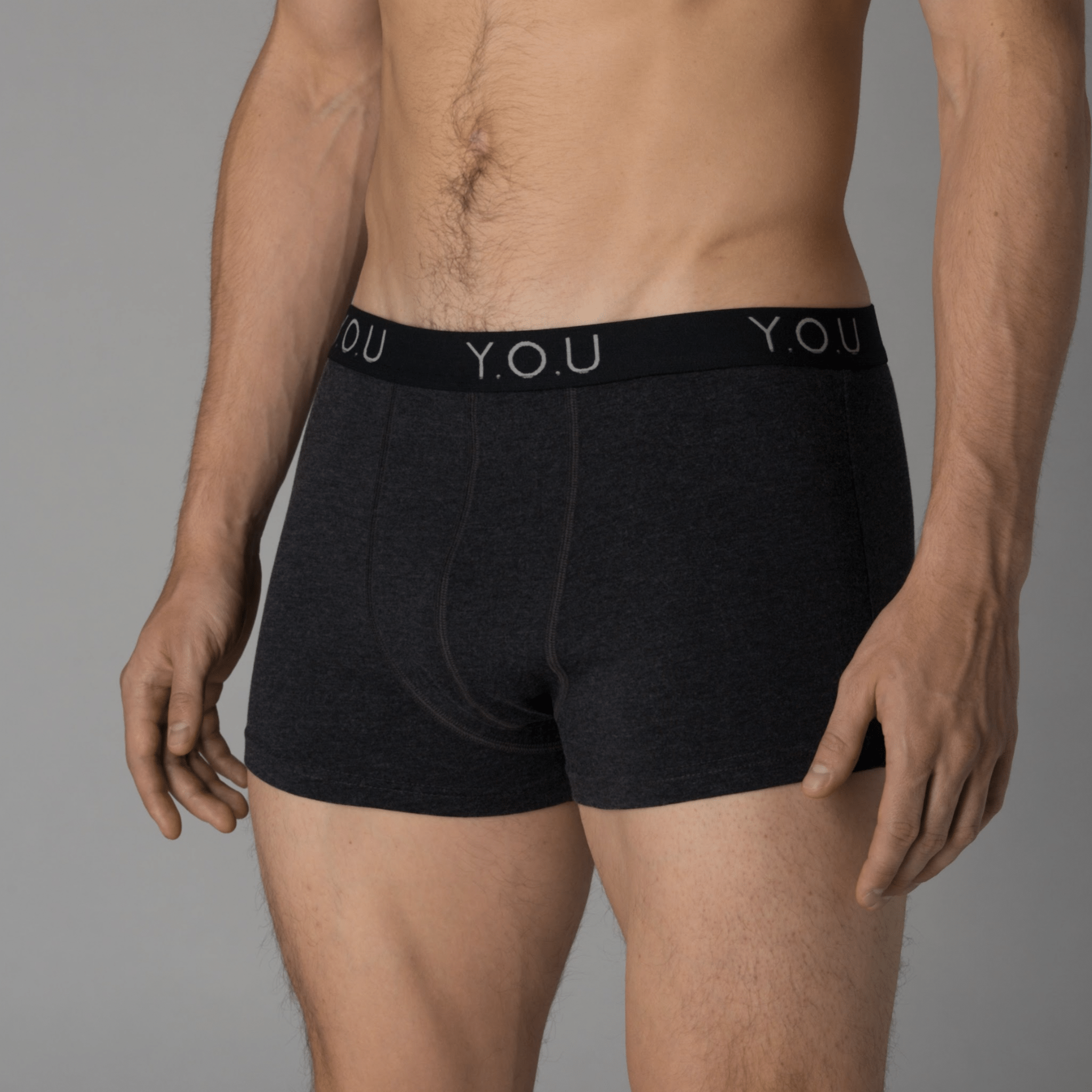
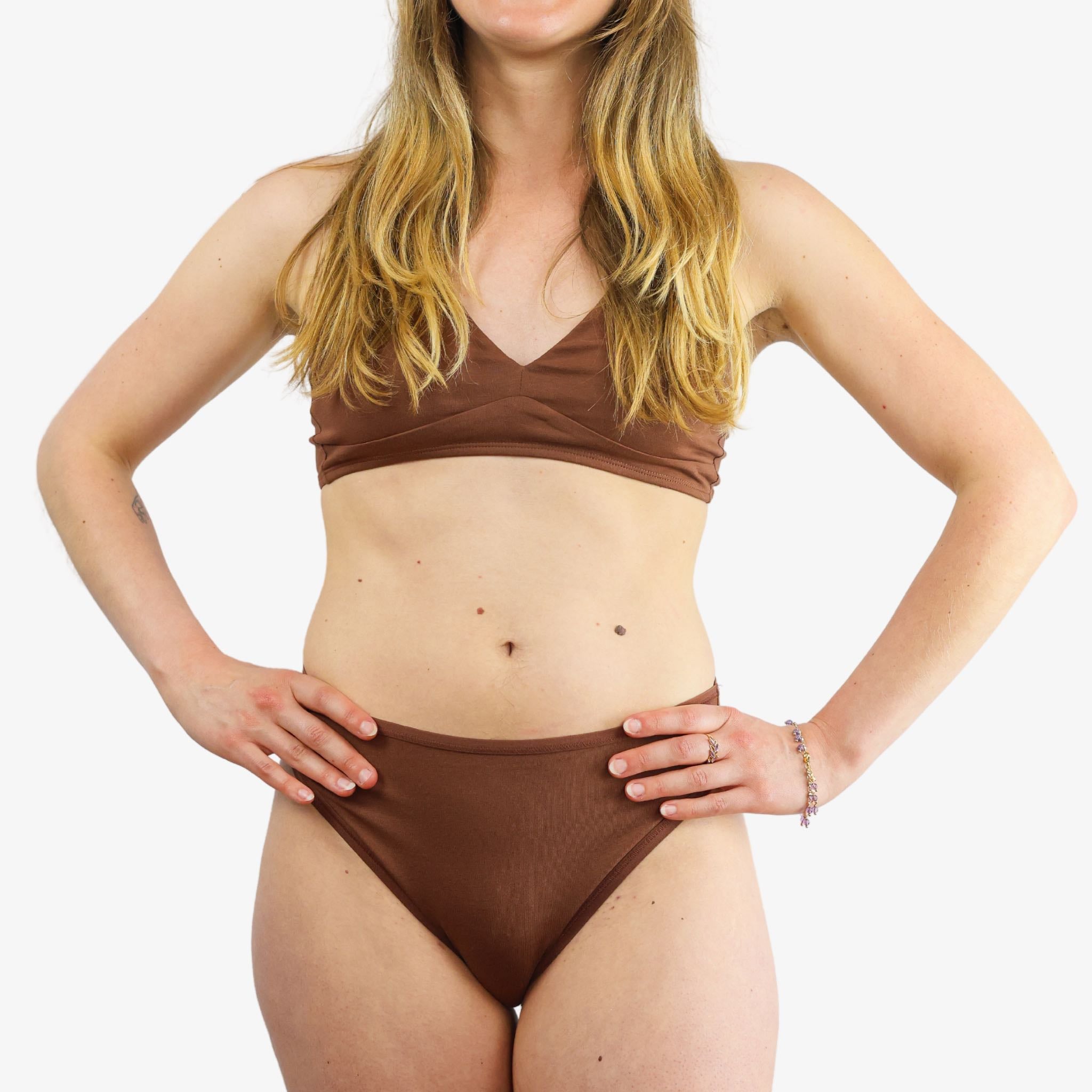
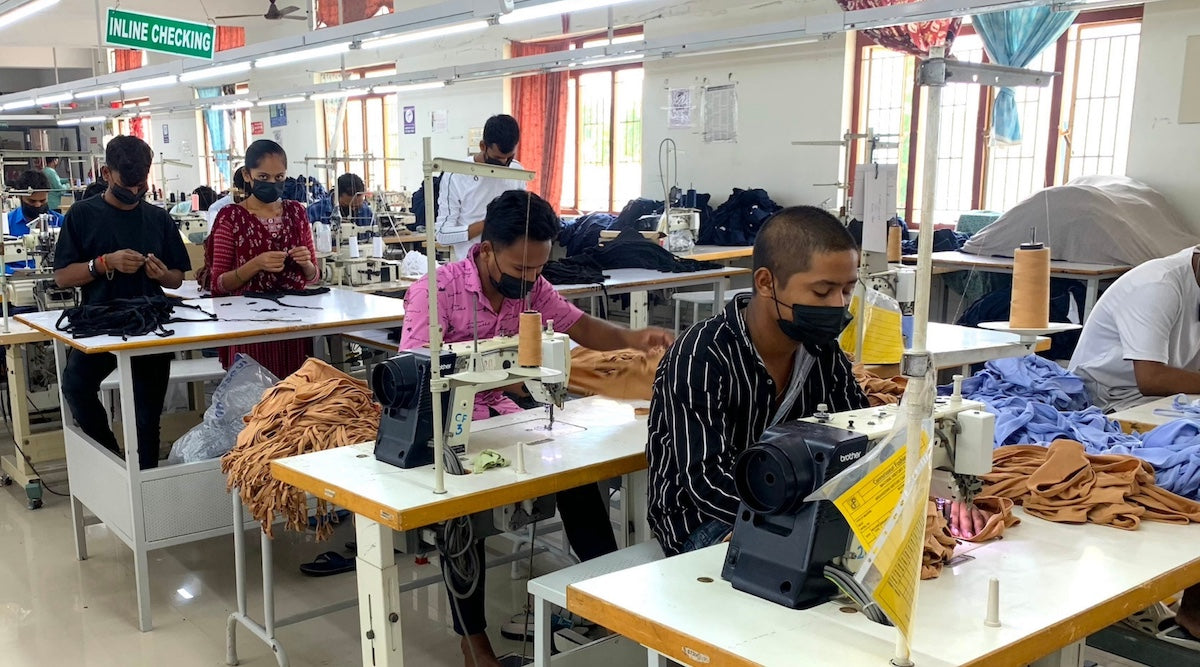
Then the pieces head to the sewing tables where the seamstresses turn them into bras, knickers, trunks, or loungewear! At this stage, extras like elastic waistbands, bra clasps, and strap extenders are added.

For the final step in the factory, the products are ironed to ensure the right shape, the heat pressed labels are attached, and quality checks are completed to ensure high standards and consistency.


Once everything is completed, the finished products are packed up and shipped to the UK, which takes around 6 weeks. We ship everything rather than flying it as we want to minimise our footprint. After arriving at the port, they make their way to our Oxford fulfilment centre

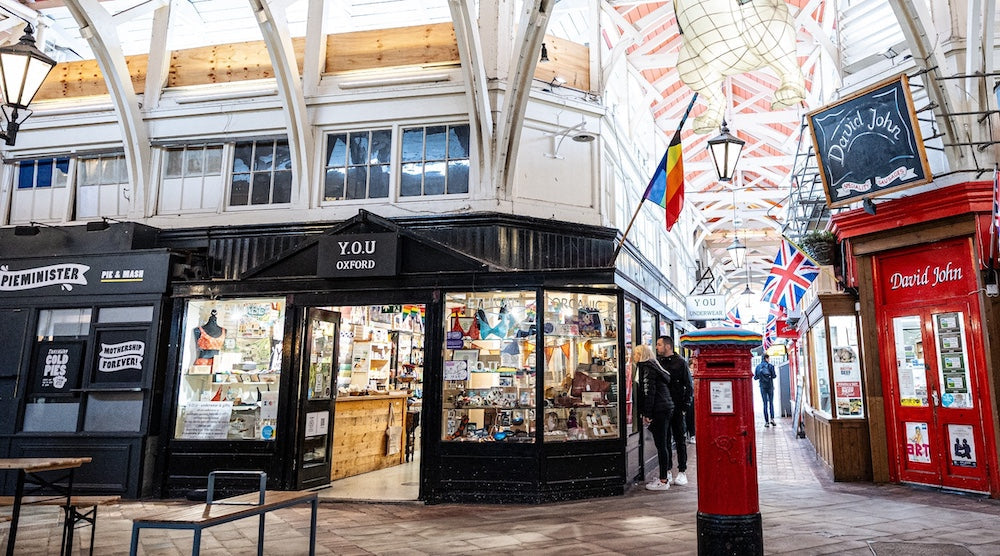
From here, the underwear is either posted out to our lovely customers in online orders, or heads down to our shop where you can try on and buy in person.

Can cotton be recycled?
Once you have got as much use as you can from your undies (check out our tips on helping them last as long as possible) you can return them to us for recycling. Thanks to the high cotton content, our products can all be recycled. We collect clean underwear and send it off to our partners at Cotton Lives On who use shredded cotton to create roll mats for people experiencing homelessness.

As you can see, even the humble pair of pants goes through so many processes before it reaches us, involving the labour of many different people applying their varied skills. When we understand more about how our clothes are made, it helps us to appreciate every item in our wardrobe, getting as much wear from them as we possibly can!
Discover more about the journey of your Y.O.U Underwear with our other blogs:
Meet some of the faces behind your Y.O.U Underwear with our manufacturers
Why organic cotton farmers are our fair-trade heroes
How difficult is it to recycle your underwear?




Leave a comment
This site is protected by hCaptcha and the hCaptcha Privacy Policy and Terms of Service apply.