A Brief History of Fairtrade
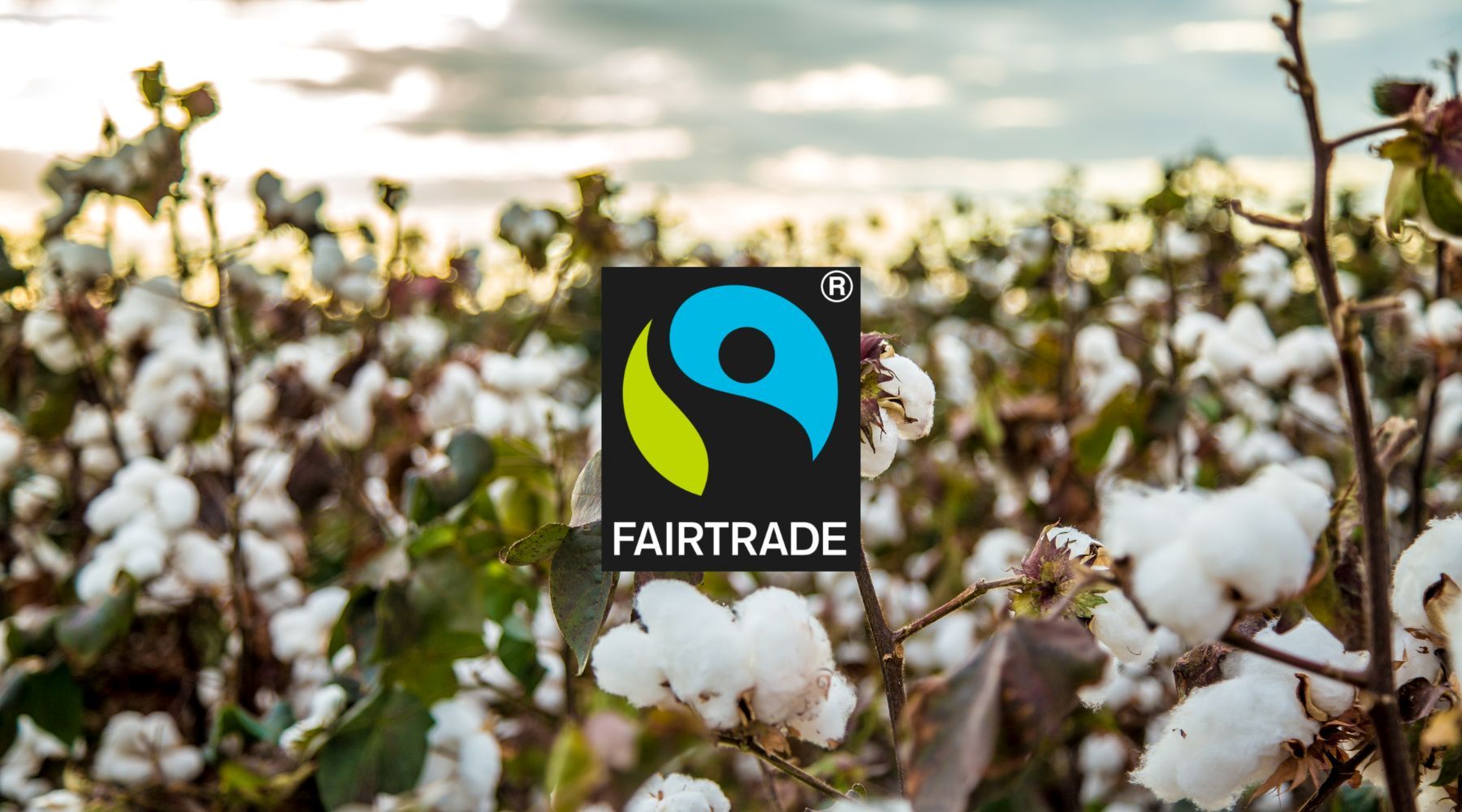
Every year, on the second Saturday of May, the World Fair Trade Organisation celebrates Fair Trade Day. The blue and green logo is instantly recognisable. You’ll have noticed it on coffee and chocolate, and other produce in supermarkets. It's also across our website and shop, as Fair Trade cotton is the secret to our super-soft and mission-led underwear and loungewear. You also probably have some idea of what it means: Fair Trade is a worldwide movement, fighting for ethical trade through campaigning for fair treatment and wages for marginalised producers. But how did it all begin? Read on for a brief history of this iconic movement…
What is Fair Trade in simple terms?
The term 'Fair Trade' is a general term used to describe the world-wide movement of people supporting and campaigning for ethical trading practices. Fair Trade wants workers and traders to be treated fairly, and paid fairly. Brands with a 'Fairtrade' label have been certified by various Fairtrade Organisations, confirming that they uphold ethical values and practices.
How old is Fair Trade?
There is no general consensus over when the movement was officially born. Many people point to Edna Byler as an early founder. Byler, an American business woman, travelled to Puerto Rico in 1946. On her trip, she met the women of La Plata, skilled seamstresses and embroiderers who, despite their talents, were struggling to feed their children. With no great plan in mind, Byler paid fair prices to the women for their handmade items, brought them home, and sold them on to friends and family. She reinvested the money she made into buying more items from the community in La Plata, and a cycle began. (1)

How did Fair Trade come to Europe?
Again, there is no general agreement over this! During the 1940s and 50s, groups started to pop up across the continent, working together to ensure farmers and workers got a fair deal. In the late 1950s, Oxfam International (previously the Oxford Committee for Famine Relief), began to sell art and craft products made by Chinese refugees in their UK shops. (2)
Equality through trade
1968 marked a shift in global attitudes to trade. The United Nations Conference on Trade and Development (UNCTAD) in New Delhi that year, pushed for a re-evaluation of relationships between developing and more developed countries. Focusing on ‘trade not aid,’ this conference advocated for equitable trade relationships between countries of differing economic statuses.

The first 'Fairtrade' label
Labelling items as 'Fairtrade' took off in the 80s. During this decade, coffee prices had dramatically dropped, and coffee farmers in Mexico took the hit. In response to the farmer’s struggles, the first ‘fairtrade’ coffee from Mexico was launched into Dutch supermarkets in 1989. It was branded ‘Max Havelaar,’ named after a fictional Dutch character who fought against the exploitation of coffee pickers in the 19th century Dutch colony of Java. (3)
The worldwide Fairtrade Labelling Organisations International (FLO) association was established in 1997, and the iconic logo was launched in 2002, designed to symbolise potential, growth and determination.
Ever since, the Fairtrade label has become more and more visible across produce and materials, bringing fairtrade into the public eye and increasing consumer awareness. It has changed the lives of thousands of workers in developing countries, giving them access to North American and European markets, whilst ensuring fair pay and treatment.

What is 'Fairtrade' Cotton?
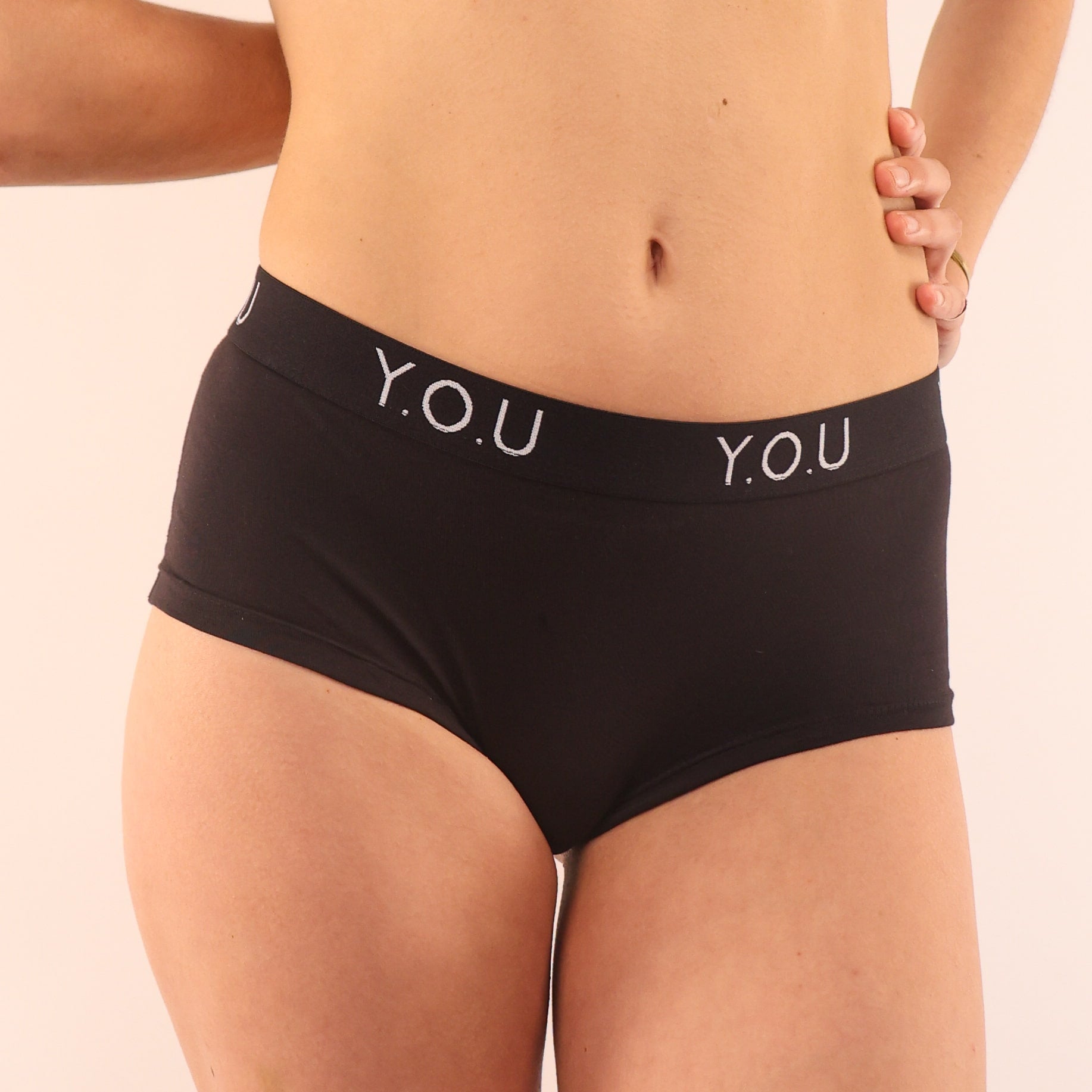
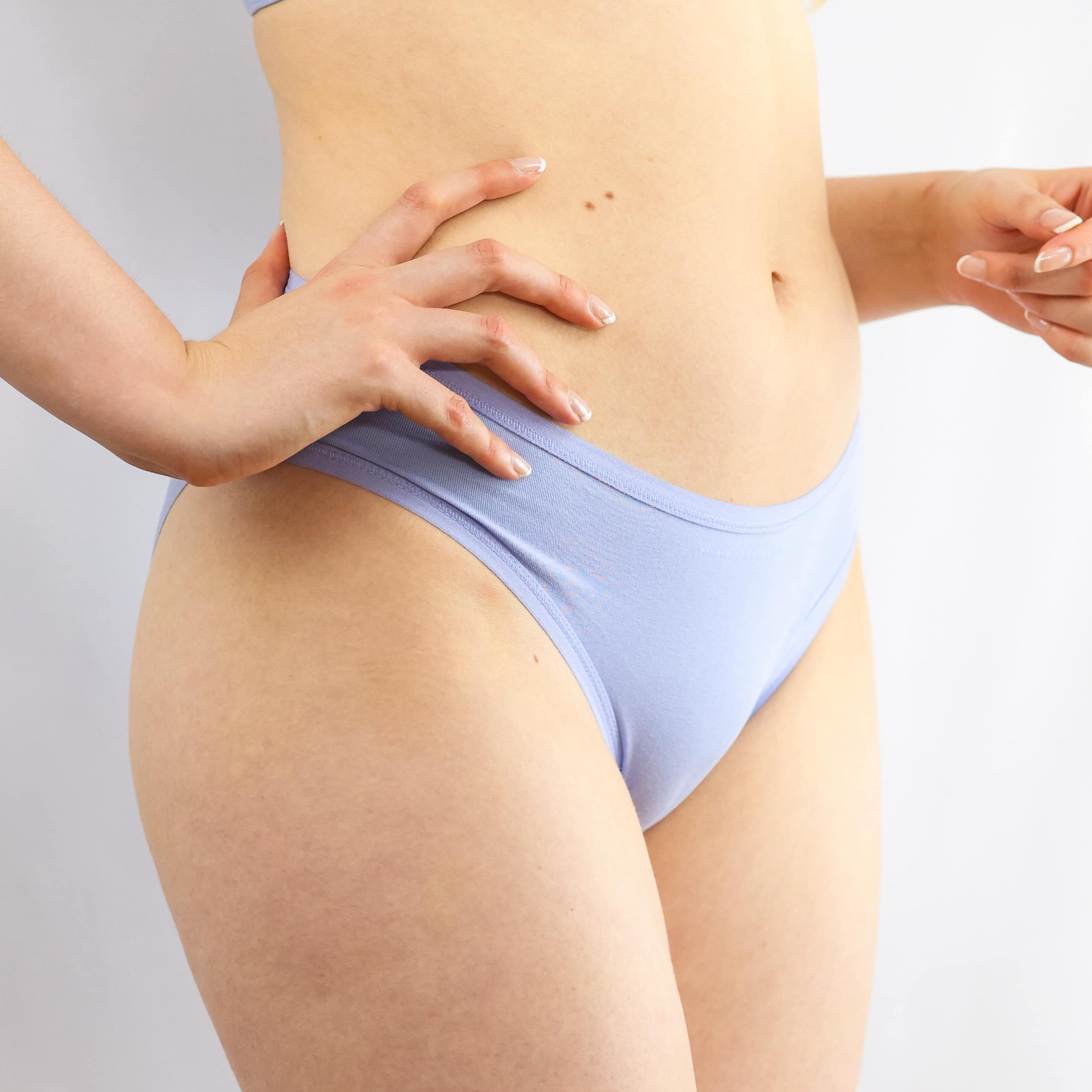
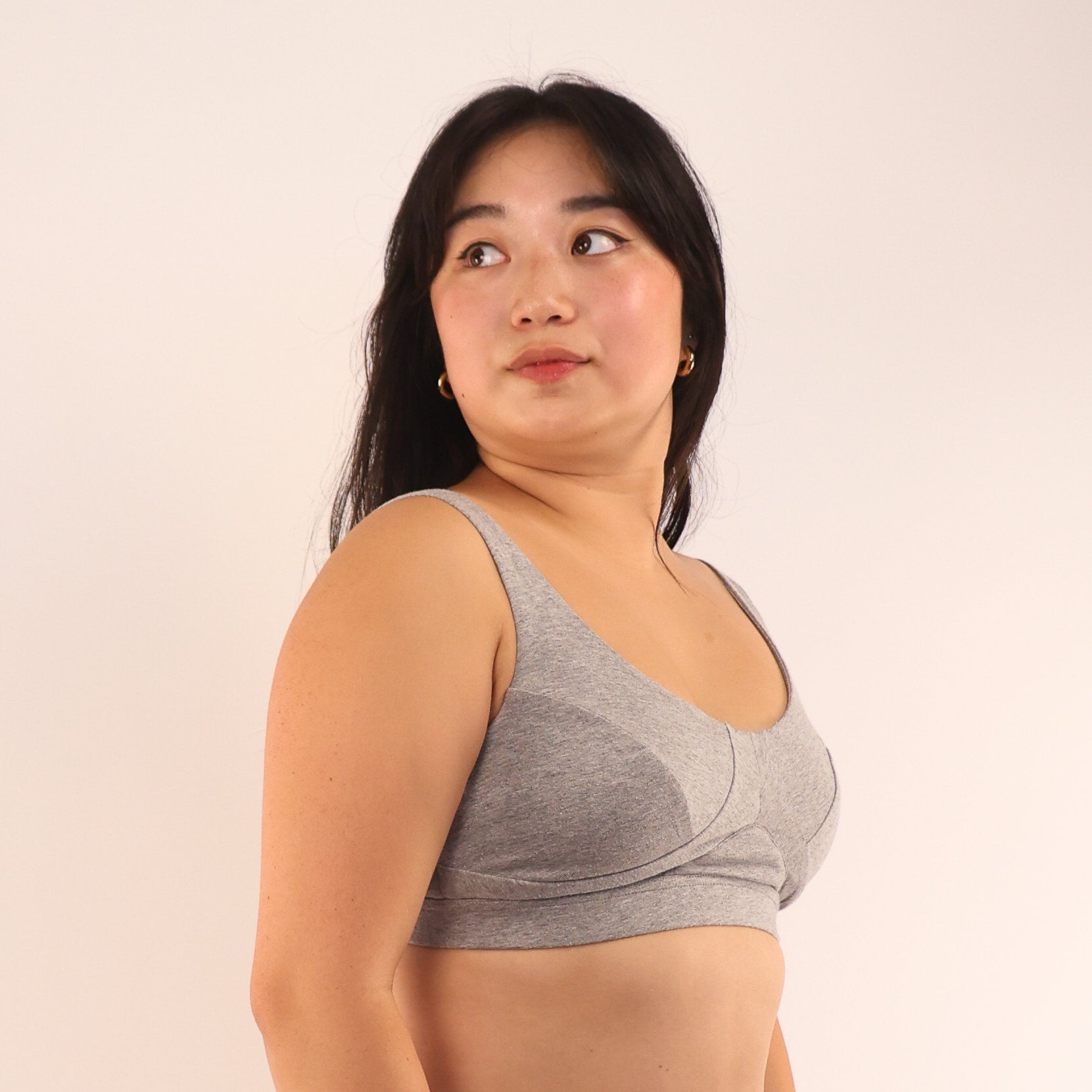
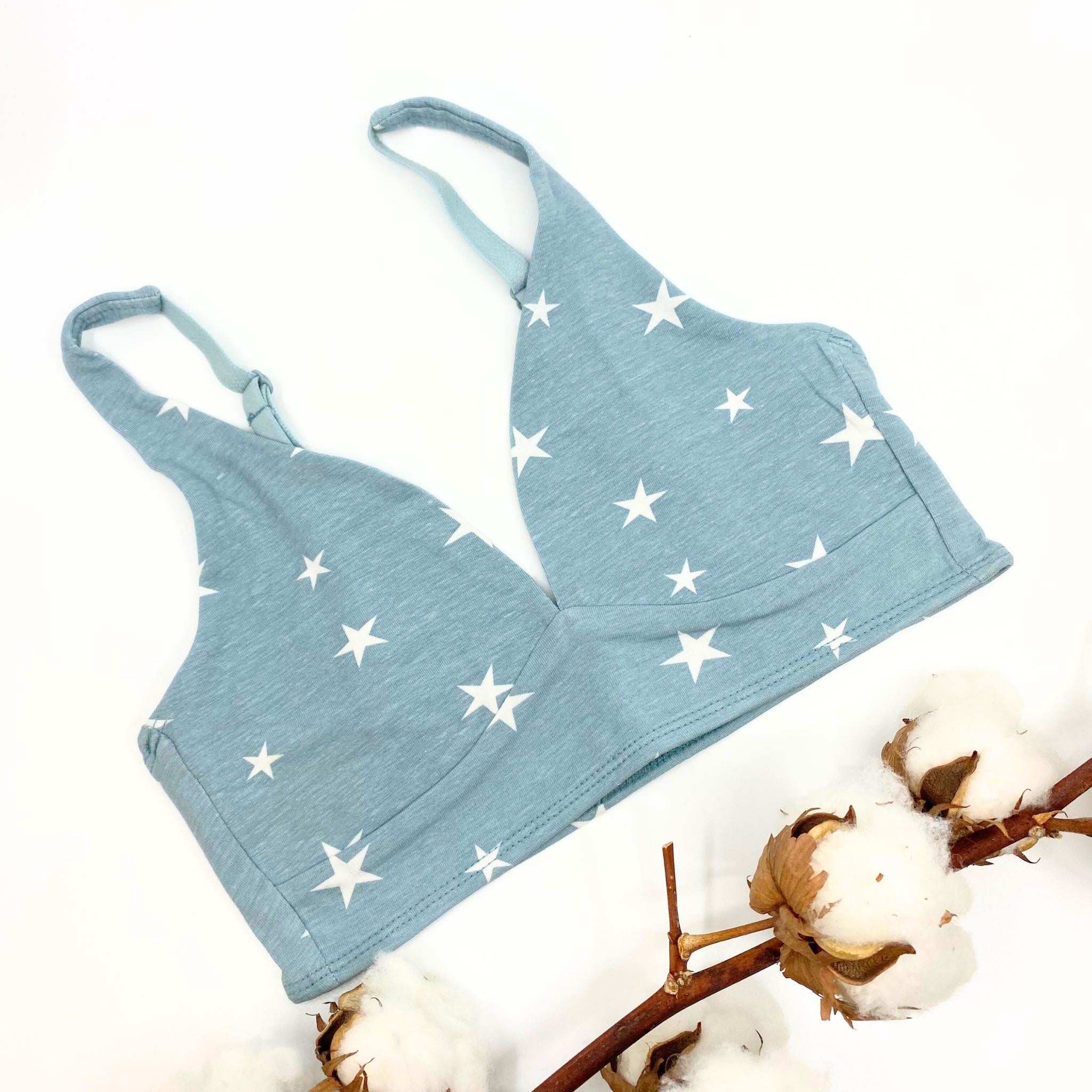
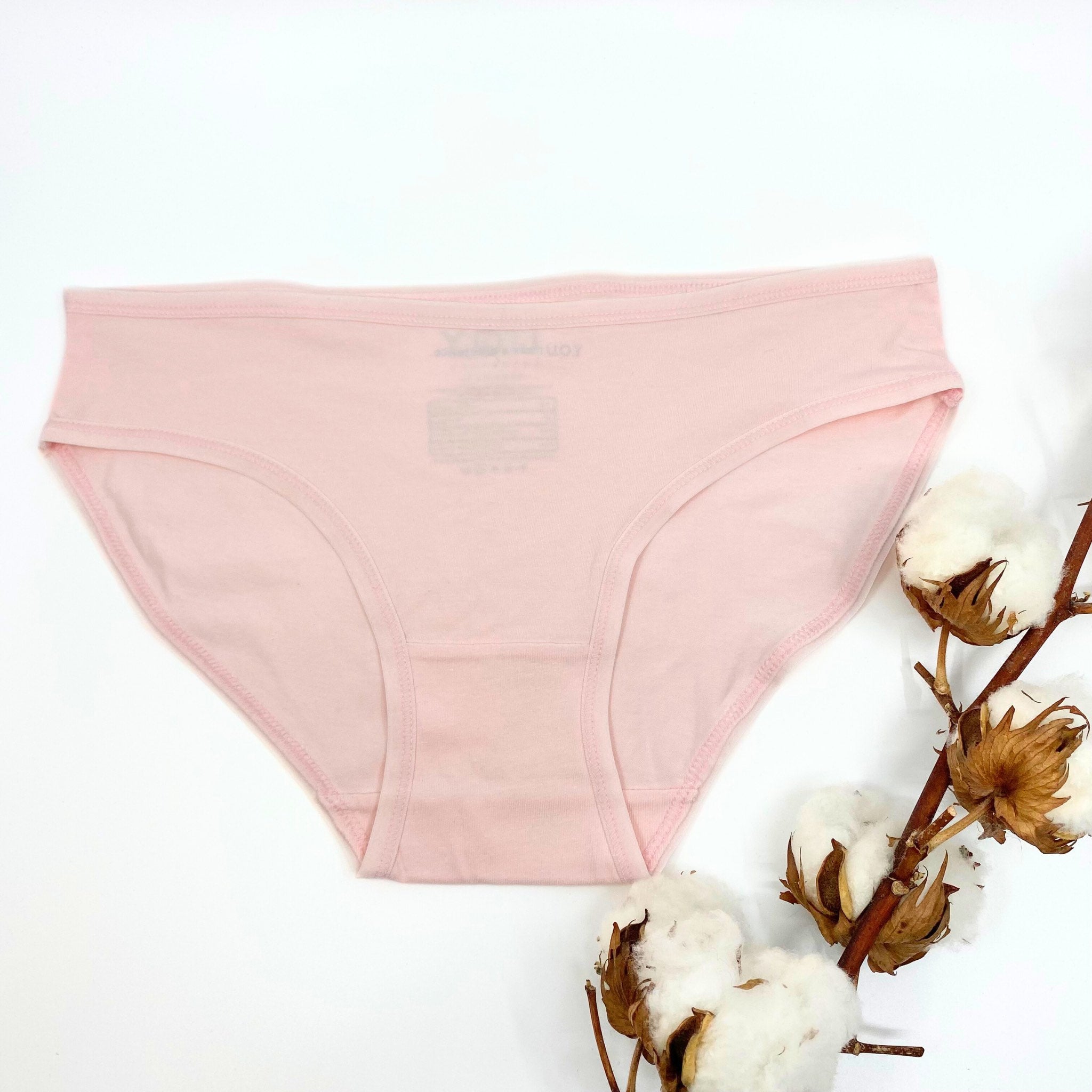
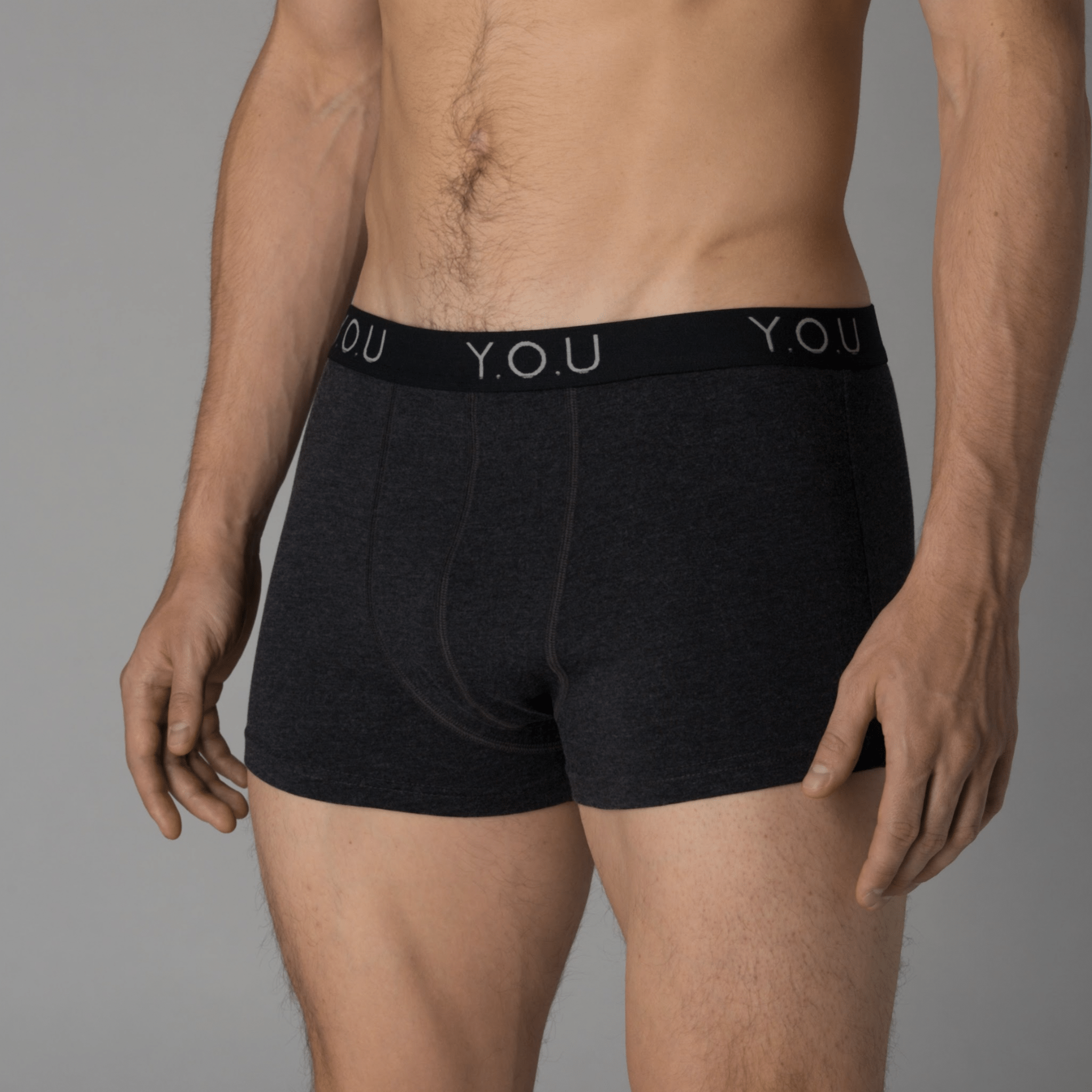
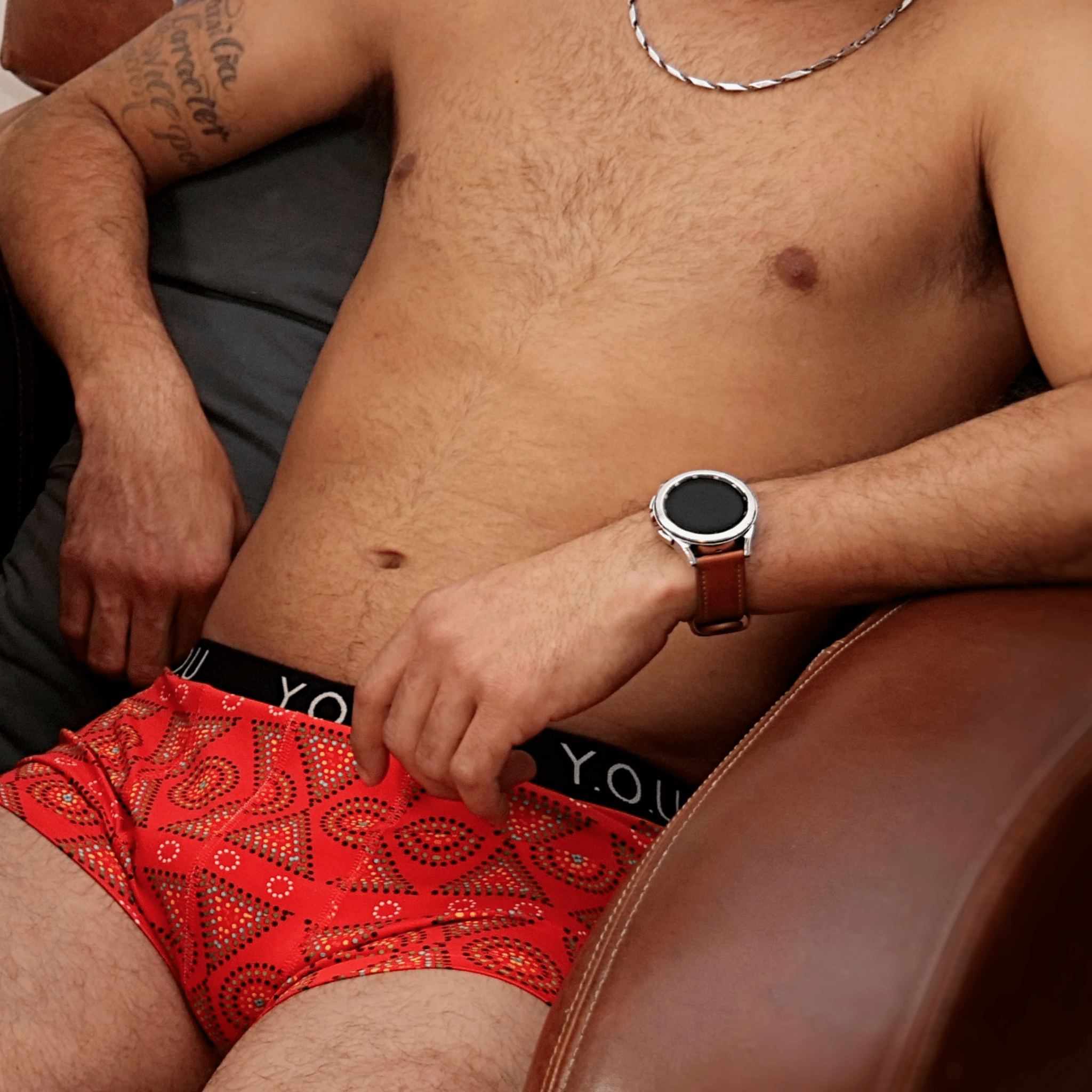
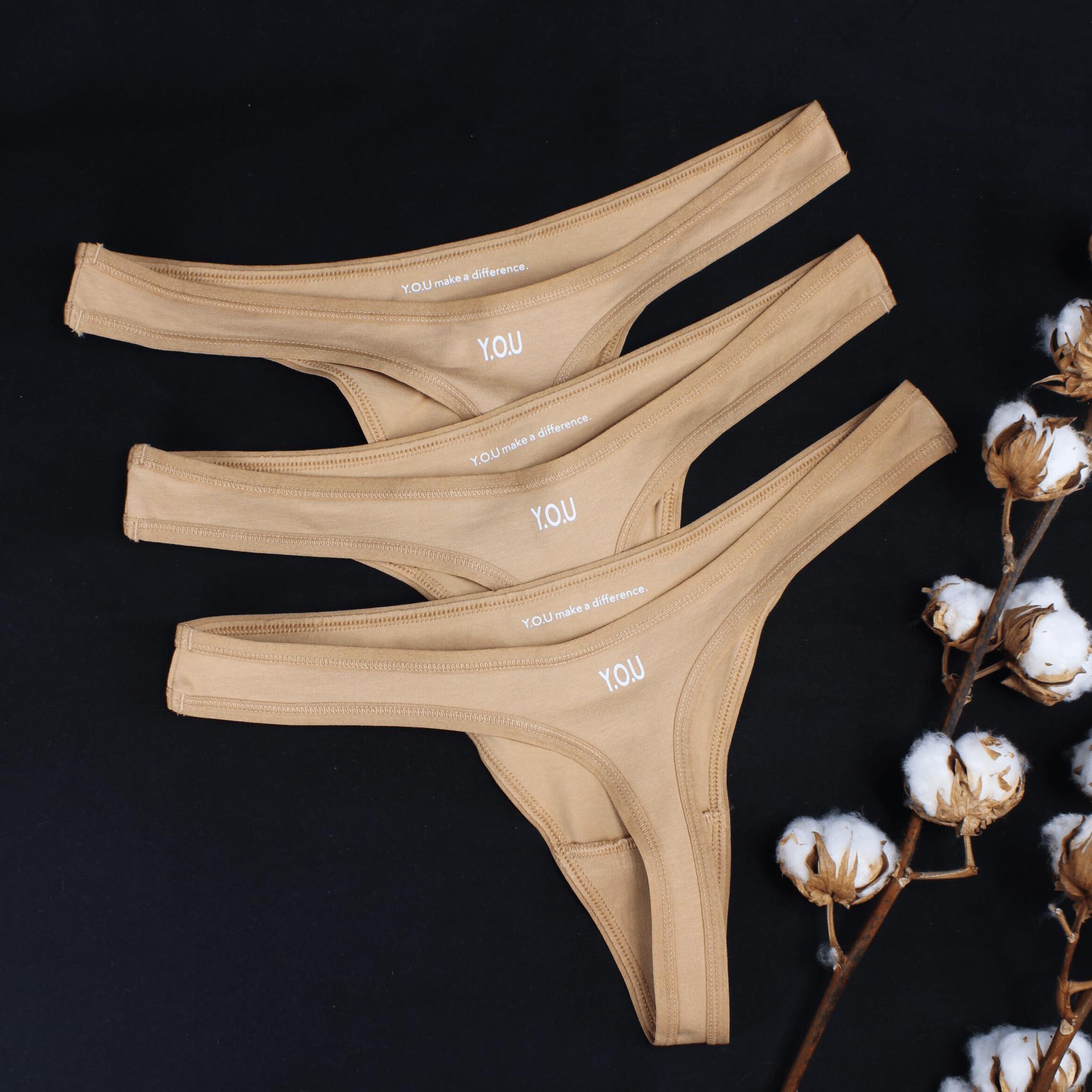
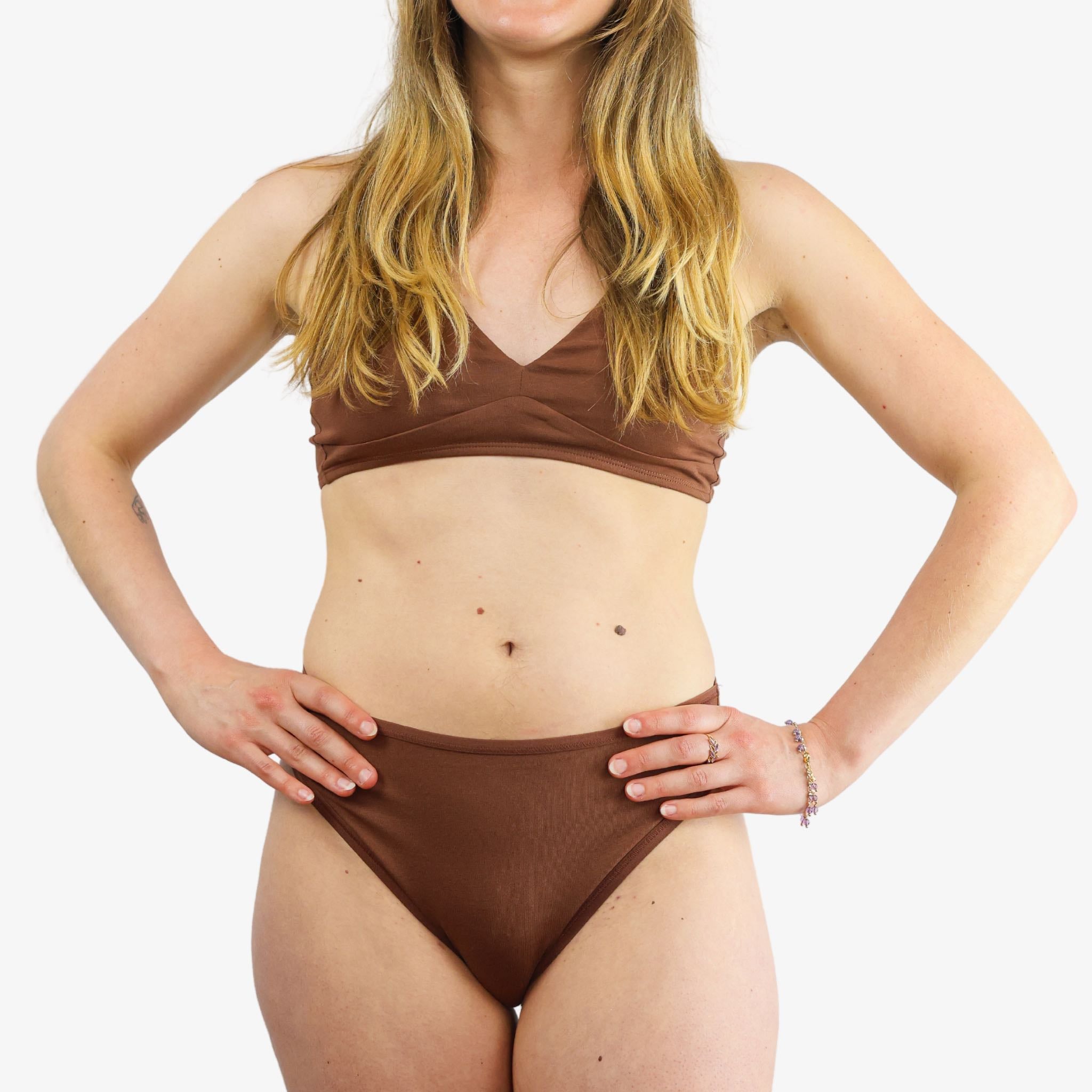
Across our men's, girls and women's underwear ranges here at Y.O.U, we only use Fairtrade and organic cotton, as we are committed to ensuring that people and planet are treated fairly, up and down our supply chain. We are proud to wear the Fairtrade badge, indicating that all our knickers, bras, men's boxers and loungewear are made with raw cotton that has been fairly produced and traded, and is directly traceable through all stages of production. You can read all about our manufacturing processes on our website, and why Fair Trade means so much to us.

SHOP FAIRTRADE WOMEN'S UNDIES NOW
For further reading about this fascinating movement, read on below:
Why Organic Cotton Farmers are Y.O.U’s “Fairtrade Fortnight” Heroes
Why Ethical Choices Taste Better: The Sweet Impact of Fairtrade Chocolate
The Comfort of Cotton: Why Opting for Cotton Underwear is a Win-Win for you and Fairtrade Workers
Author: Evie Tucker, Retail and Comms Team, Y.O.U Underwear
Images courtesy of Y.O.U Underwear, Fairtrade International, A Thousand Villages


Leave a comment
This site is protected by hCaptcha and the hCaptcha Privacy Policy and Terms of Service apply.