
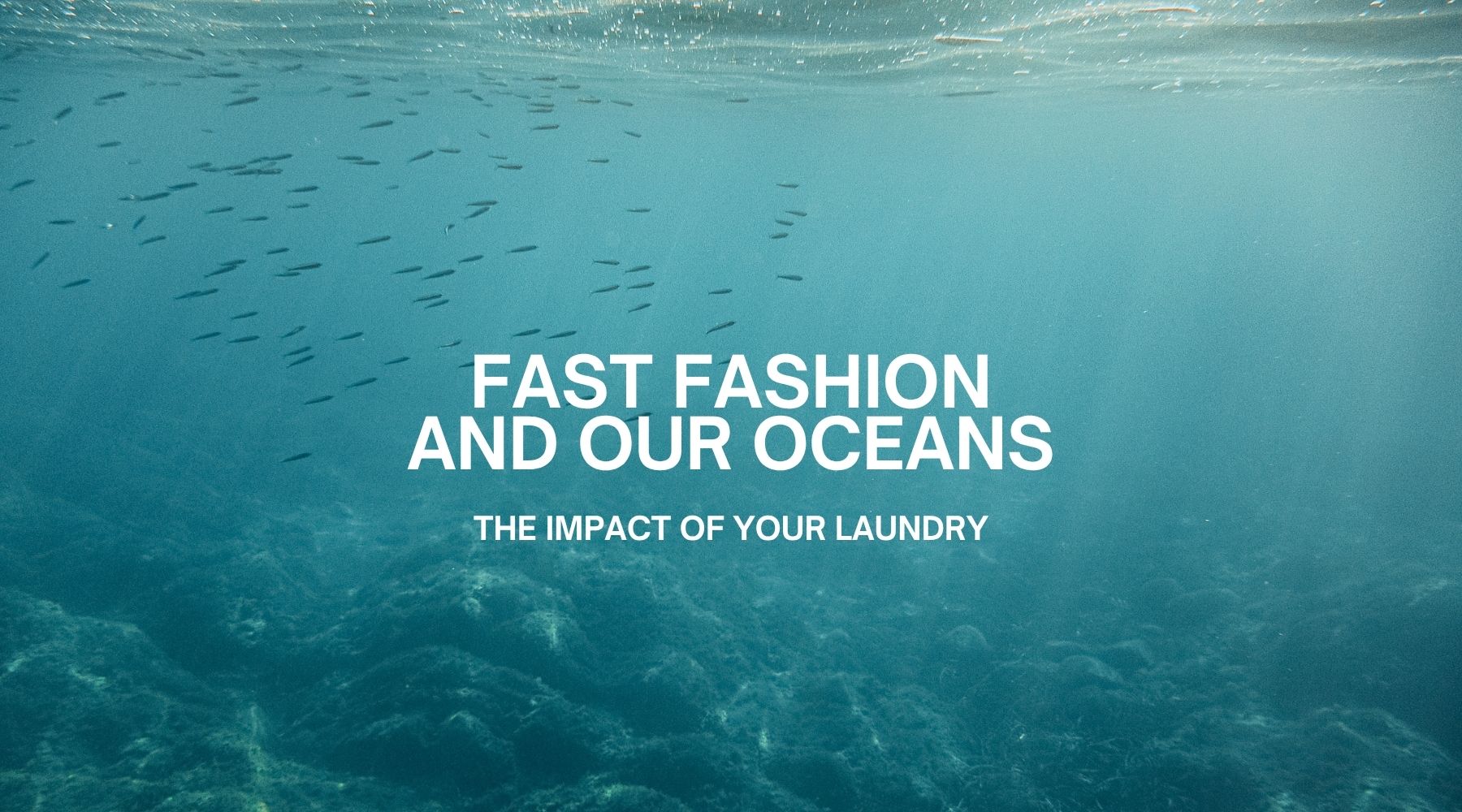
Fast Fashion and Our Oceans: The Impact of your Laundry
World Ocean Day, marked on the 8th June, is a chance to celebrate our blue planet, and the vast, life-giving waters that cover its surface. It is also an opportunity to reflect on what, as a species, we can be doing to better protect it.
Our oceans are threatened by human activity. It is easy to view oceanic bodies as entirely separate from us land-dwelling humans in our urban homes. This couldn’t be further from the truth, however, and recognising our interconnectedness with oceans and rivers is a key stepping stone on the way to reducing our negative impact on the watery landscapes of the world. This blog looks at one of the biggest aggressors towards oceans: the fast fashion industry, and how slow fashion and organic materials treat our oceans more gently.

How much water does the fashion industry use?
Fast-fashion industry models churn out garments by the tonne. In the manufacturing process, the industry consumes 86 million Olympic-sized swimming pools worth of natural water resources per year (1). So, unimaginable volumes of water go into clothes production…but our clothing’s environmental impact doesn’t end there.
Fast fashion and microplastics
Did you know that the fashion industry is responsible for 20% of global freshwater pollution? (2). Most clothing items in circulation now contain a high plastic content, through synthetic fabric compositions including polyester, acrylic and nylon. When these clothes are manufactured, washed, and discarded, synthetic textiles release plastic microfibres into the environment, posing risks to all varieties of life. Fashion currently accounts for 20-35% of microplastics flowing into our oceans (3).
According to the UN Environment Programme, laundry alone causes around half a million tonnes of plastic microfibres to be released into the ocean every year. Who knew that freshening up dirty clothes could have such an impact? Most water treatment plants aren’t mandated to capture microplastic fibres, and let 40% of the fibres they receive through into our lakes, rivers and seas. The effects of microplastics on marine life are devasting, resulting in endocrine disruption, stunted growth, and damage to digestive systems. Microplastics make their way up the food chain, contaminating human diets at the other end (3).

How do you limit microplastics in laundry?
What can we do? Whilst top level change needs to be made by water treatment facilities and fast fashion industries, there are a few actions you can take to reduce microplastic shedding at home.
Wash clothes less frequently. Be selective about when your clothes actually need washing, instead of throwing them in the laundry basket by default after each wear. Fabrics that have been washed many times will shed more microfibres than they did when new.
Wash similar materials together. Abrasion is one of the main causes of microplastic shedding. Fibres are released when tougher fabrics rub against softer ones, so consider washing synthetic items separately from heavier items like jeans or towels. Doing full-washes rather than half-washes also reduces friction.
Wash at lower temperatures. Higher temperatures cause fibres to break down faster.
Line dry where possible. Tumble dryers are also a big culprit when it comes to microplastic shedding.
Use eco-friendly washing products. Guppy bags have been specifically engineered to capture tiny fibres in your wash, an innovative solution to our microplastic problem! Using eco-friendly detergents, or eco eggs, are another great way to generally make your laundry cycle more sustainable.

How is slow fashion more eco-friendly?
Transitioning away from fast-fashion business models will be instrumental in reducing the industry’s impact on natural water resources. Slow fashion generally uses less water because fewer garments are being produced, as slow fashion prioritises quality and durability in items.
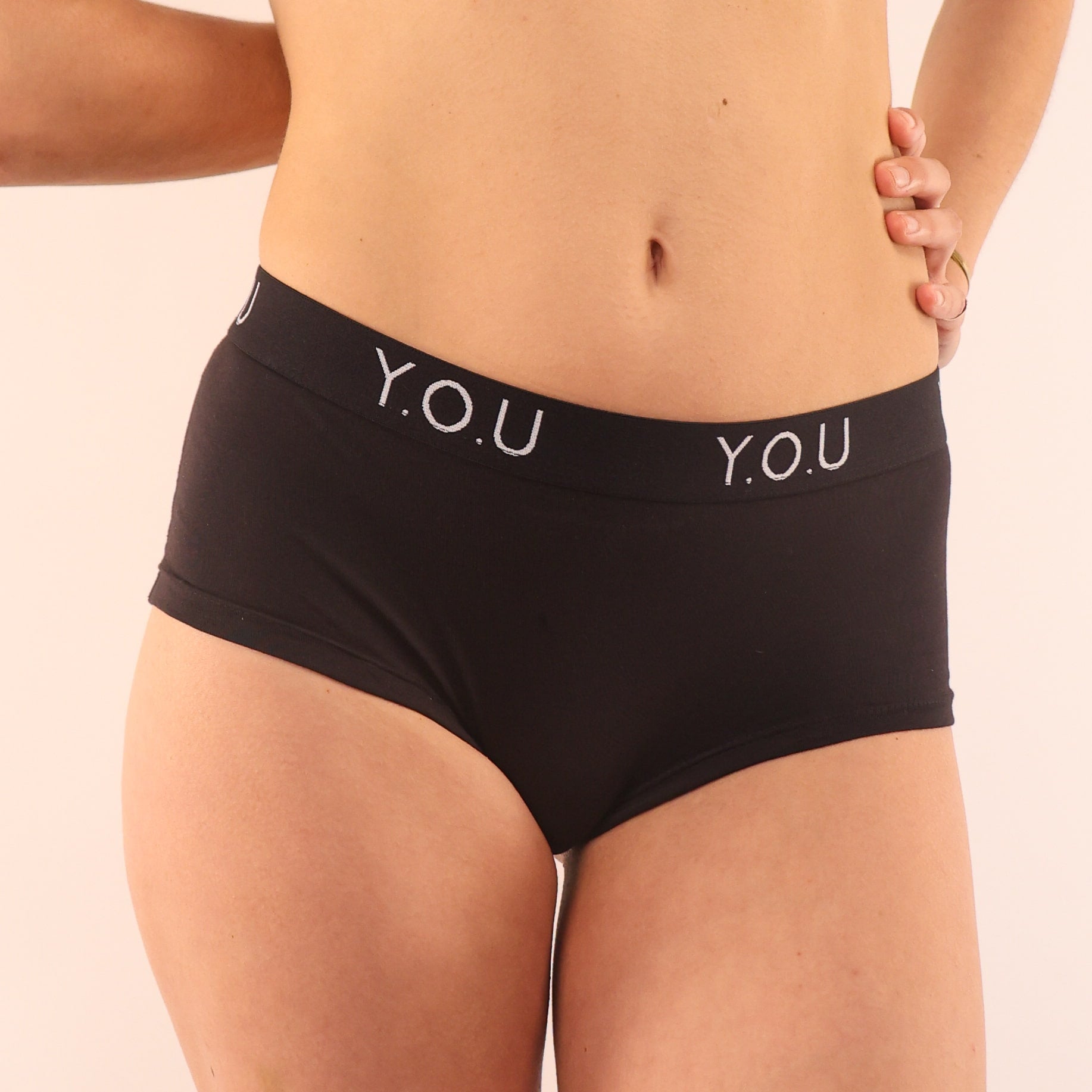
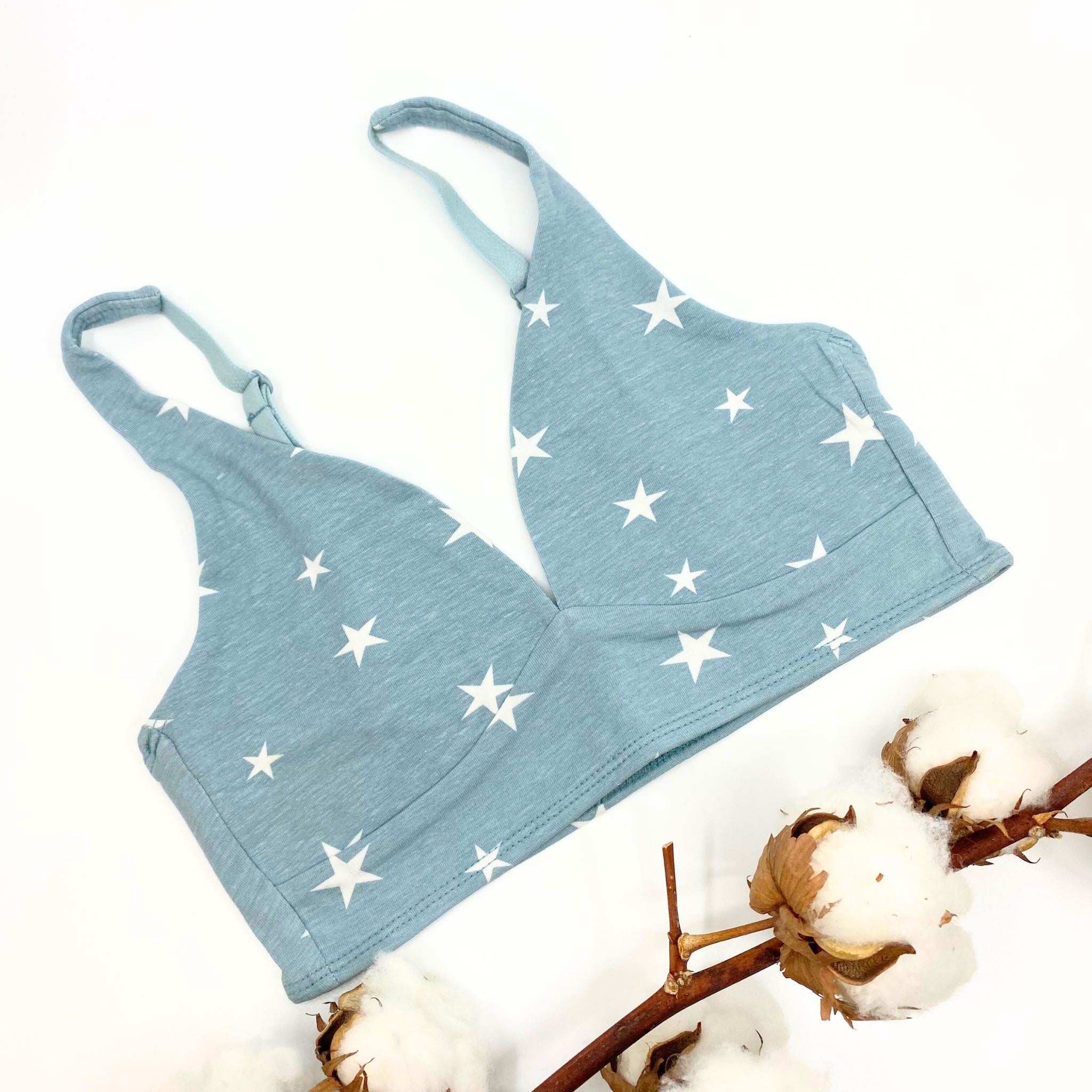
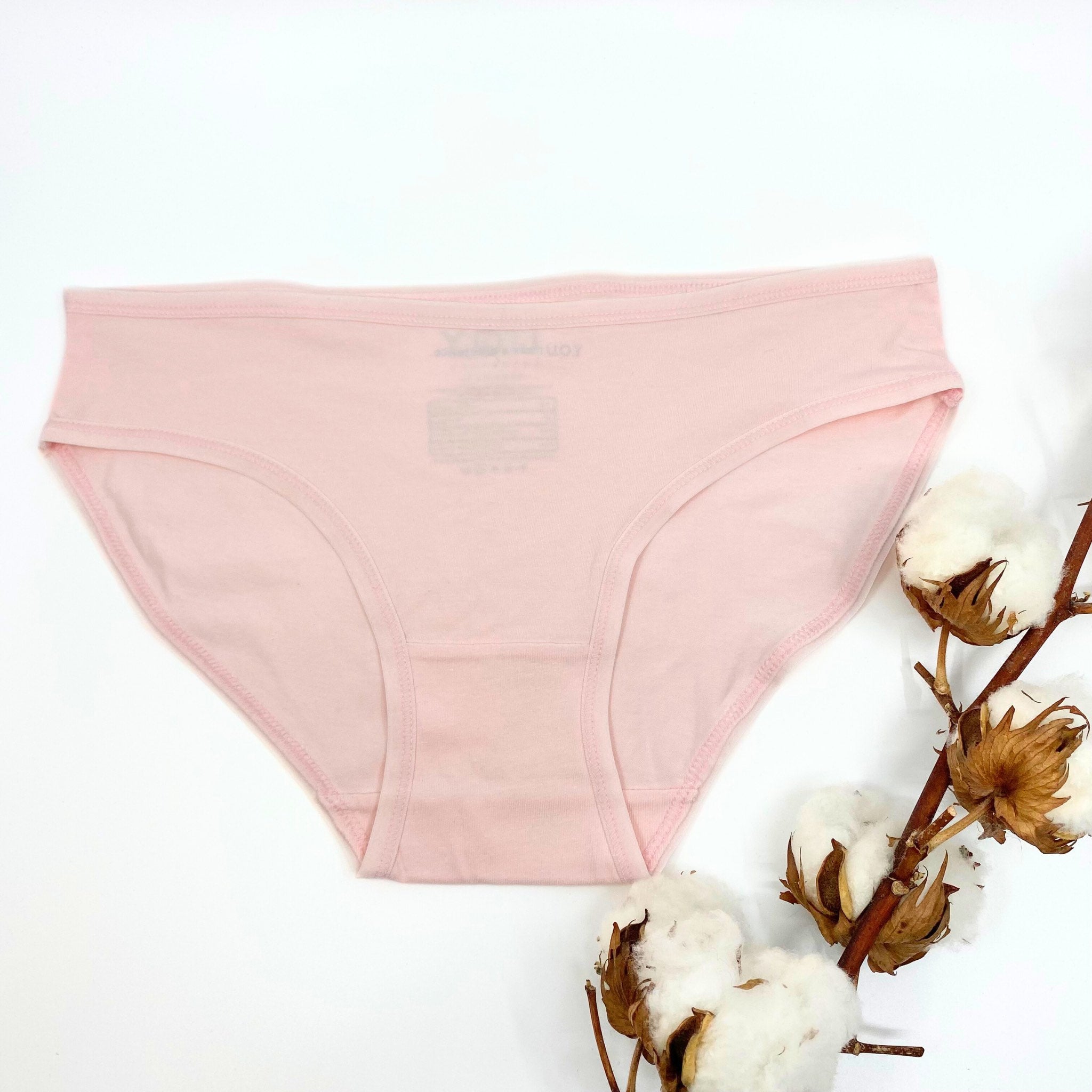
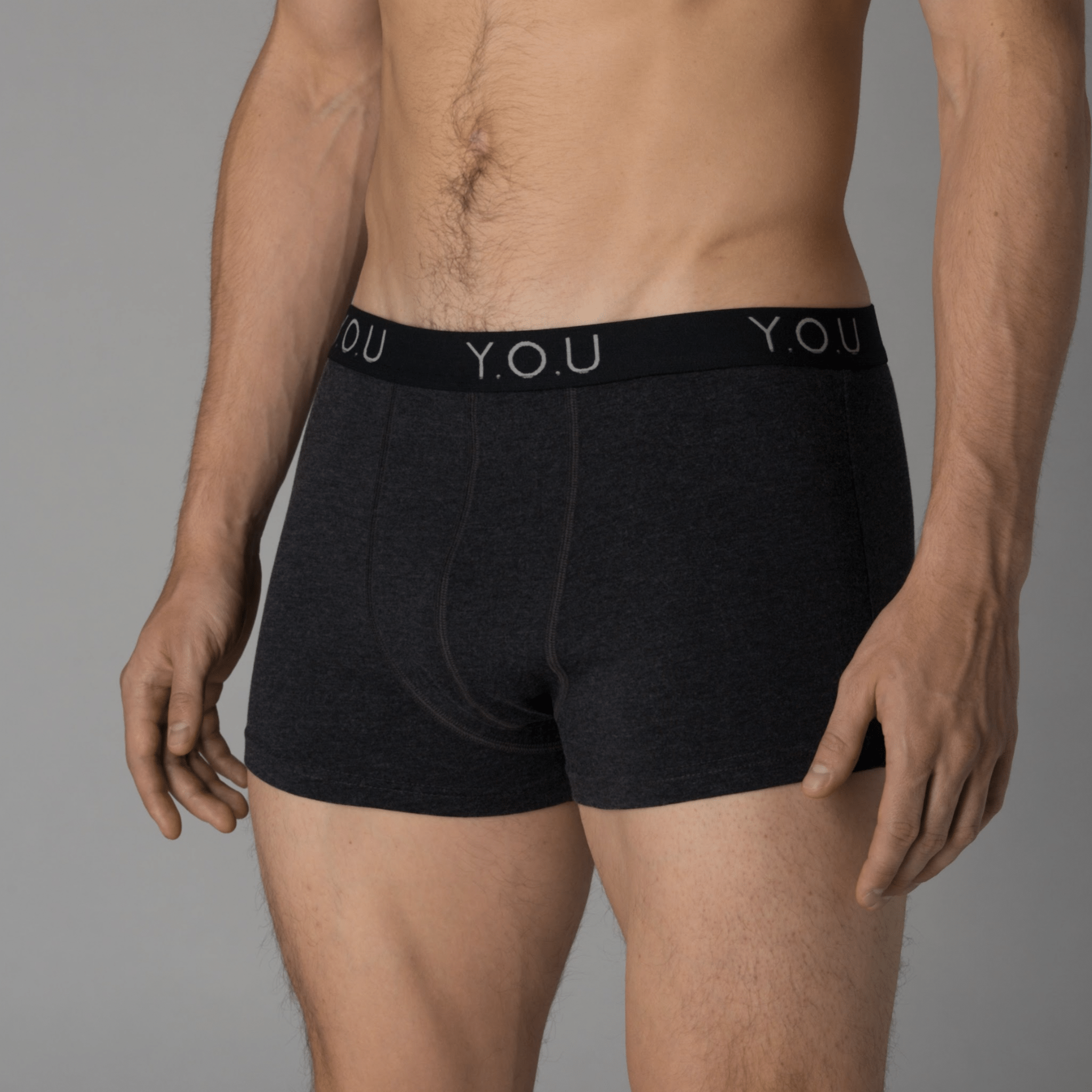
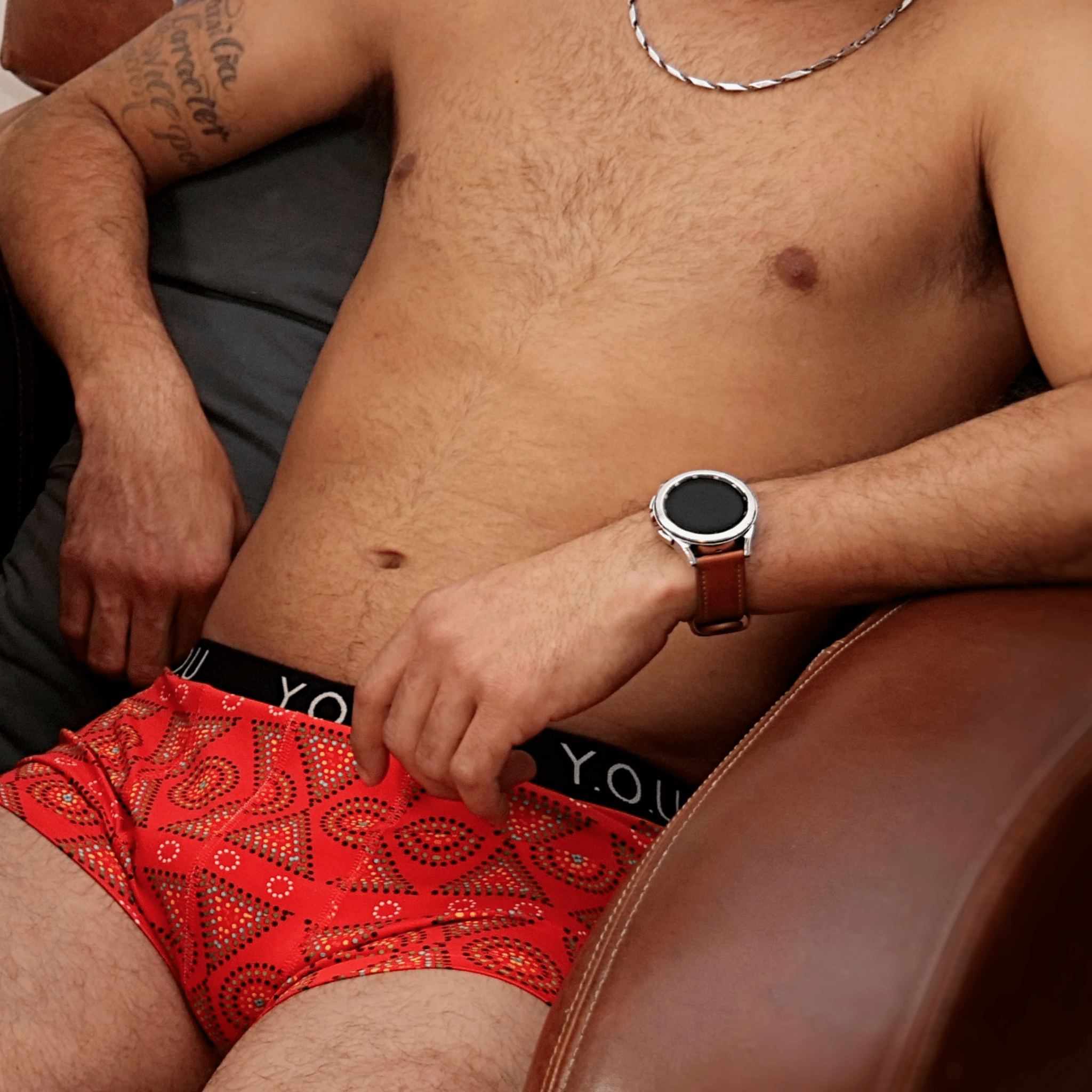
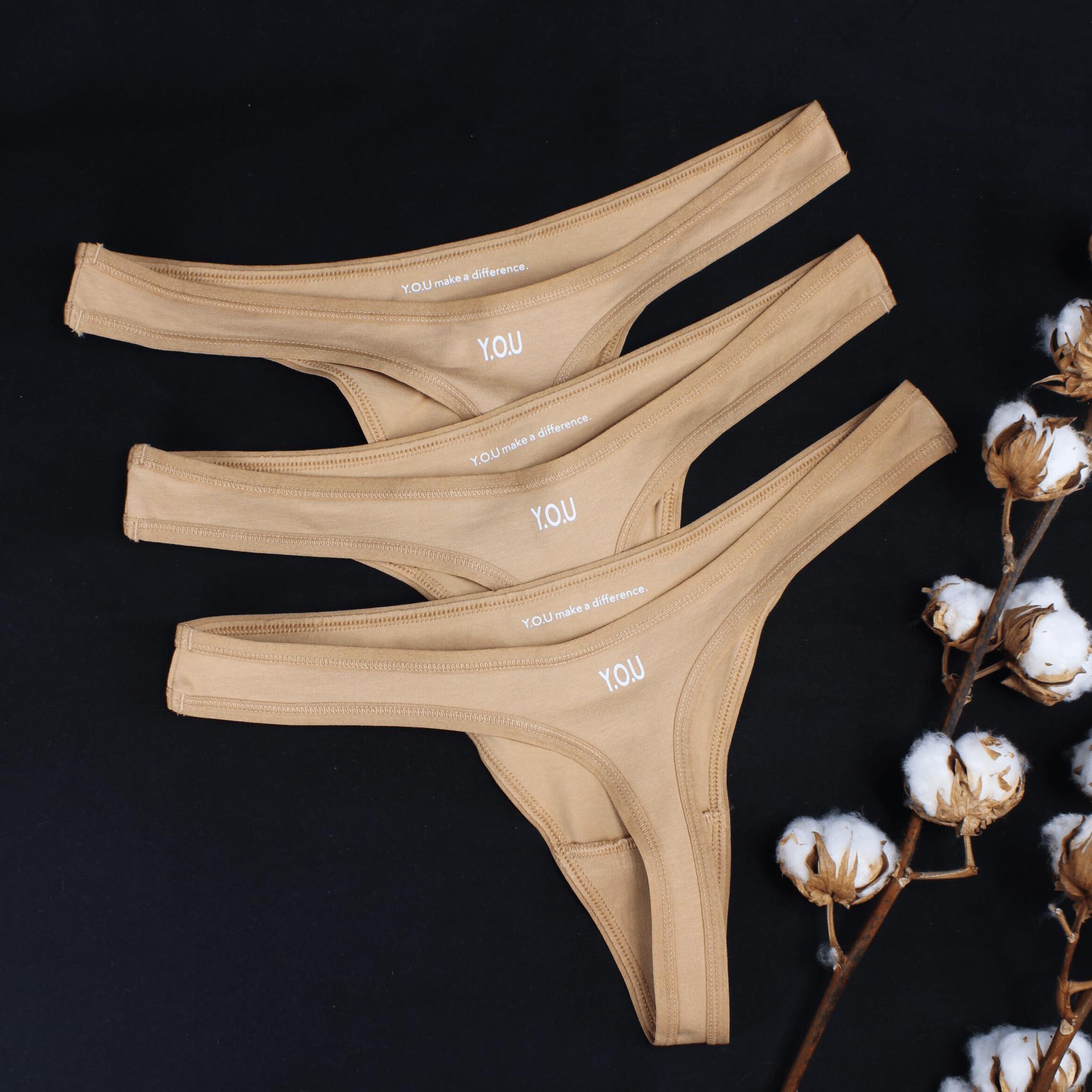
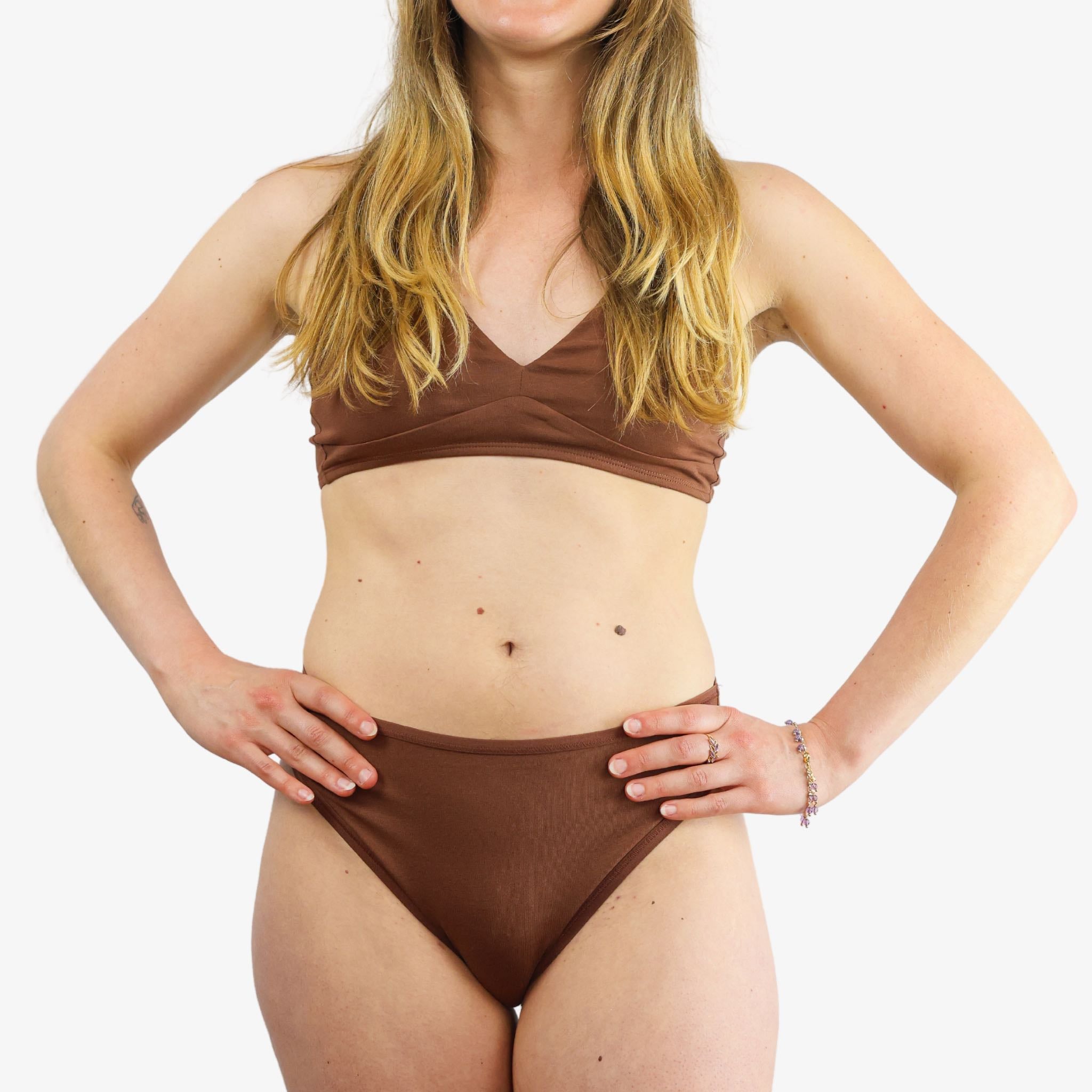
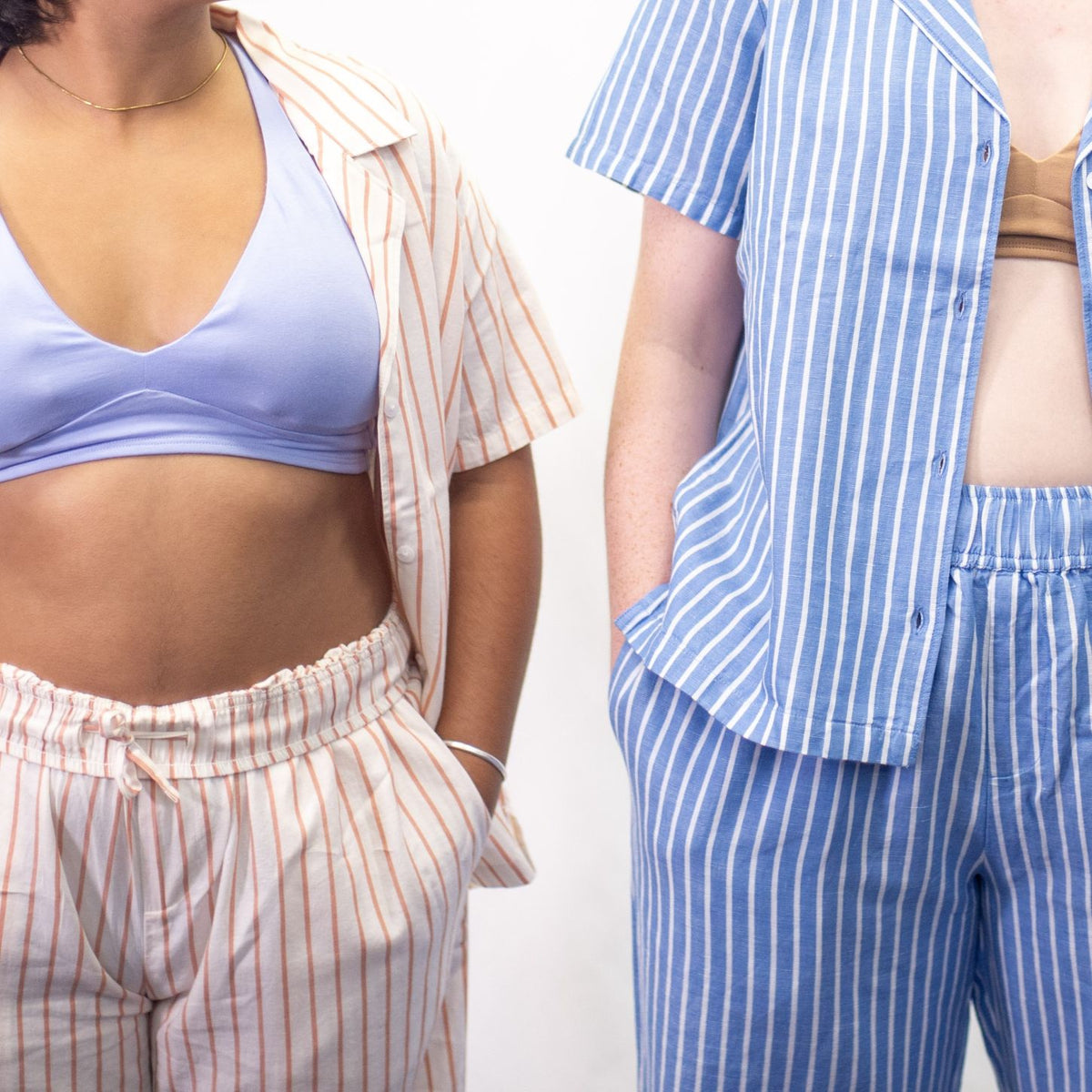
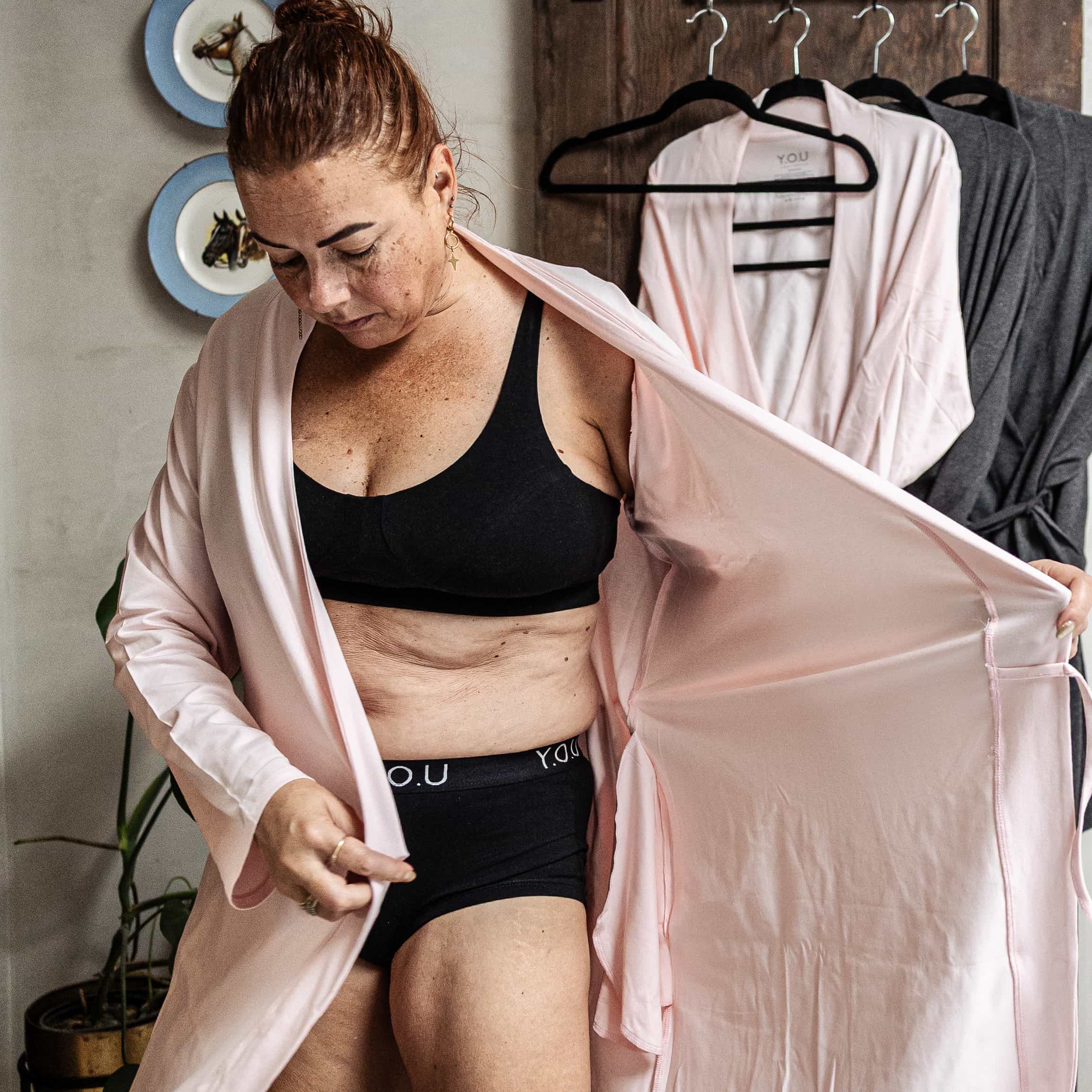
Many slow fashion businesses, like Y.O.U Underwear, also make a point of using organic materials, and minimising the plastic content of their garments. At Y.O.U Underwear, all of our products, across our women’s, men’s, girls' and loungewear ranges, are made using 95% GOTS certified organic cotton. The farming and manufacturing of organic cotton uses 91% less water than the processes involved with conventional cotton (4). Importantly, organic cotton is biodegradable at the end of its life, so it doesn't linger in our ecosystems like synthetic materials.

We recommend washing our underwear on a gentle 30 degree cycle, which is better for your garments and the environment. We also have mending guides for tips on how to extend the lifespan of your underwear. Eventually, when you’re completely sure your undies are beyond mending, you can send your undies back to us as part of our recycling scheme, doing your bit to reduce textile waste!
…
World Ocean Day is a great opportunity to raise awareness of how our everyday actions have an impact on our planet. Oceans may seem alien to us, but we are connected to them through something as simple as laundry. Being conscious of the ways we interact with our environments, even unknowingly, is a key step in mending our relationship to the natural world and reducing our negative impact on it.
Read on for more blogs about sustainable fashion:
Not just hand-me-downs: The impact of second hand fashion on the economy
How EU Legislation Can Help Tackle Textile Waste Worldwide.
Breaking up with Plastic Fashion - A Deep Dive into Polyester
Author: Evie Tucker, Retail and Comms Team, Y.O.U Underwear
Images courtesy of Y.O.U Underwear and Canva
Sources:
(1) UN Environment Programme : Fashion’s tiny hidden secret
(2) The Fashion Industry’s Impact on the Ocean – Just One Ocean
(3) UN Environment Programme: Fashion’s tiny hidden secret
(4) These calculations were made based on the Life Cycle Assessment done by Textile Exchange / PE International (2014)






Leave a comment
This site is protected by hCaptcha and the hCaptcha Privacy Policy and Terms of Service apply.